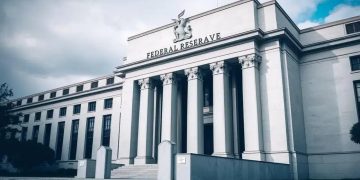
Economic impact of Federal Reserve policy on small businesses

Anúncios
The economic impact of Federal Reserve policy on small businesses includes changes in interest rates and inflation, which directly affect borrowing costs, revenue stability, and overall operational strategies.
The economic impact of Federal Reserve policy on small businesses can shape the landscape for entrepreneurs in profound ways. Have you considered how changes in interest rates influence your bottom line? Let’s dive into this important topic.
Anúncios
Understanding Federal Reserve policies
Understanding Federal Reserve policies is crucial for small businesses looking to navigate the economy effectively. These policies influence interest rates, inflation, and overall economic growth. When the Federal Reserve makes changes, small businesses often feel the impact directly.
Anúncios
Key Components of Federal Reserve Policies
The Federal Reserve primarily focuses on managing monetary policy to promote maximum employment, stable prices, and moderate long-term interest rates. Here are the main components:
- Interest Rates: Adjusting the federal funds rate influences borrowing costs for businesses.
- Open Market Operations: Buying and selling government securities affects liquidity in the economy.
- Reserve Requirements: Changing the amount of funds banks must hold can impact available credit.
By altering these components, the Federal Reserve aims to foster a healthy economy. For small businesses, understanding how these changes work can be the key to better financial decisions.
The Impact of Policy Changes on Small Businesses
Policy changes can lead to shifts in consumer behavior and spending. For instance, when interest rates go up, borrowing becomes more expensive, which can lead to a decrease in investments by small businesses. This is particularly critical for those seeking loans for expansion or inventory. On the other hand, lower interest rates can stimulate growth by making loans more affordable.
Additionally, inflation rates are closely tied to Federal Reserve actions. If inflation rises too quickly, it erodes purchasing power. For small businesses, this means that prices must be adjusted often. Balancing these factors becomes integral to financial planning.
Keeping an eye on the Federal Reserve’s announcements and understanding their implications is essential for small businesses. It empowers owners to make insightful choices that align with broader economic trends. By staying informed, small business owners can adjust strategies proactively to mitigate the risks associated with changing policies.
Key economic impacts on small businesses
Key economic impacts on small businesses stem from various factors like Federal Reserve policies, economic growth, and market competition. These elements can either support growth or create challenges for small businesses trying to thrive.
Effects of Economic Growth
When the economy grows, small businesses often experience increased demand for their products and services. This growth leads to:
- Higher Sales: Consumers are more willing to spend money.
- Investment Opportunities: Business owners may invest in expansion.
- Job Creation: Successful businesses can hire more employees.
Understanding how economic conditions can boost your sales is crucial for strategic planning.
Challenges from Rising Costs
On the flip side, small businesses face challenges like rising costs due to inflation. When prices go up, it impacts everything from supplies to wages. This can lead to:
- Reduced Profits: Higher costs can squeeze margins.
- Price Adjustments: Businesses may need to raise prices.
- Hiring Delays: Increased costs can restrict hiring new employees.
These challenges require careful management to ensure business sustainability.
A small business must navigate these economic factors effectively. By staying informed about market trends and adapting strategies, businesses can position themselves for success. Keeping an eye on both challenges and opportunities allows for better decision-making.
Strategies for small businesses in changing economic climates

Strategies for small businesses in changing economic climates are vital for survival and growth. As the economy shifts due to various factors, including Federal Reserve policies, businesses must be adaptable to thrive. Small business owners can face unique challenges while navigating these changes effectively.
Diversifying Revenue Streams
One crucial strategy is to diversify revenue streams. Relying on a single source of income can be risky, especially during economic downturns. By exploring new markets or creating additional products and services, small businesses can mitigate risks. Here are some ideas:
- Expand Product Lines: Introduce new products that cater to existing customers.
- Explore Online Sales: Utilize e-commerce platforms to reach a broader audience.
- Offer Subscription Services: Create regular income through billing for ongoing services.
By diversifying, small businesses can stabilize their income during unpredictable times.
Building a Strong Community Presence
Another effective strategy is to build a strong community presence. Engaging with local customers fosters loyalty and can lead to word-of-mouth referrals, which are essential. Consider participating in local events or collaborating with other businesses to strengthen ties within the community.
Moreover, small businesses should also focus on improving customer relationships. Personalized service can create devoted customers who return, even in tough times. Regular interactions through newsletters or social media help keep customers informed and engaged.
Additionally, staying informed about economic trends allows small businesses to adjust their strategies proactively. Attend workshops, join local business associations, and subscribe to economic news to remain ahead of the curve. Adapting to changes can help small businesses capitalize on emerging opportunities.
Case studies: Federal Reserve decisions and local businesses
Case studies on Federal Reserve decisions and local businesses reveal how policy changes can significantly affect small enterprises. By examining real-world examples, we can understand the direct impacts of economic shifts on everyday business operations.
Case Study 1: Interest Rate Changes
When the Federal Reserve raised interest rates in 2018, many small businesses faced higher borrowing costs. For instance, a local construction company had to adjust its expansion plans because loans became more expensive. This decision led to a slowdown in hiring and project initiation. Understanding these dynamics helps other businesses prepare for potential rate hikes.
Case Study 2: Economic Stimulus Measures
During the economic stimulus in 2020, the Federal Reserve lowered interest rates dramatically, encouraging spending. A local café used this opportunity to invest in food delivery services, boosting its sales significantly. By adapting to changing economic conditions, they not only survived but thrived during challenging times. These examples demonstrate how a proactive approach can lead to success.
Each case illustrates the crucial connection between Federal Reserve decisions and local business strategies. By analyzing these impacts, small business owners can learn to adjust their plans effectively. They can become more resilient by developing tighter financial strategies and staying informed about economic trends. This proactive stance will help them navigate future challenges more confidently.
Future predictions for small businesses regarding Fed policies
Future predictions for small businesses regarding Federal Reserve policies are crucial for strategic planning. As the economy evolves, small businesses must anticipate changes that may impact their operations and growth.
Interest Rate Trends
Experts predict that interest rates may continue to fluctuate based on economic conditions. If rates rise, small businesses could face increased borrowing costs. This might lead to fewer investments in growth or expansion. Conversely, if the Fed lowers rates again, businesses may take advantage of cheaper loans to invest and grow. This dynamic creates an uncertain landscape for financial planning.
The Impact of Inflation
Another key factor is inflation, which the Federal Reserve monitors closely. If inflation remains high, it may prompt the Fed to tighten monetary policy. This could lead to:
- Increased Costs: Businesses may see higher prices for goods and services.
- Wage Pressure: Costs for labor might increase as employees demand higher pay to keep up with living expenses.
- Consumer Spending Changes: With rising prices, consumers may limit their spending, affecting sales.
Small businesses need to prepare for these potential outcomes to remain resilient. Keeping a close eye on inflation trends will be essential for adapting strategies effectively.
Moreover, advancements in technology and shifts in consumer behavior will likely influence future predictions as well. Small businesses that embrace digital tools can enhance efficiency and better serve customers, positioning themselves to thrive under different economic conditions. This proactive approach will help them navigate challenges more successfully.
In conclusion, understanding the economic impact of Federal Reserve policies on small businesses is essential for navigating today’s complex landscape. Small business owners must stay informed about interest rates, inflation, and overall economic trends. By adapting strategies and being proactive, they can mitigate challenges and seize opportunities. Emphasizing community engagement, diversifying revenue streams, and using modern technology will enhance resilience. As the economy evolves, small businesses that remain flexible will thrive, ensuring their long-term success in an ever-changing environment.
FAQ – Frequently Asked Questions about the Economic Impact of Federal Reserve Policies on Small Businesses
How do interest rate changes affect small businesses?
Interest rate changes can directly impact borrowing costs for small businesses. Higher rates may lead to increased expenses for loans, while lower rates can encourage investments.
What should small businesses do during periods of inflation?
During inflation, small businesses should consider adjusting prices, reviewing their cost structures, and finding ways to improve operational efficiency to maintain profit margins.
How can small businesses diversify their revenue streams?
Small businesses can diversify by exploring new products or services, expanding into online sales, or creating subscription models to ensure stable income.
What role does community engagement play for small businesses?
Community engagement fosters customer loyalty and support. Local businesses that connect with their communities are more likely to thrive, especially during economic changes.