Federal Reserve rate hikes and their market effects: what’s next?

Anúncios
Federal Reserve rate hikes increase borrowing costs, impact the housing market by lowering property values, and require investors to adjust their strategies to navigate changing economic conditions.
Federal Reserve rate hikes and their market effects can feel complex, but understanding them is crucial for your investment strategy. How do these hikes impact your wallet and the economy? Let’s dive in!
Anúncios
Understanding the Federal Reserve’s role
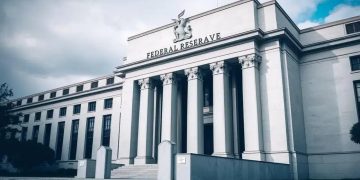
Understanding the Federal Reserve’s role is essential for anyone interested in the financial landscape of the United States. The Federal Reserve, often referred to as the Fed, is the central bank of the country and plays a pivotal part in shaping economic policies.
Anúncios
Key Functions of the Federal Reserve
The Fed has several crucial functions that affect both the economy and your daily life.
- Regulating the banking system
- Conducting monetary policy
- Maintaining financial stability
- Providing financial services
By regulating the banking system, the Federal Reserve ensures that banks operate safely and efficiently. This regulation is vital for maintaining public confidence in the financial system. In addition, the Fed conducts monetary policy to manage inflation and maximize employment. They alter the money supply and set interest rates, directly impacting your borrowing costs. Understanding these mechanisms can help you make informed financial decisions.
Crisis Management and Emergency Tools
During times of economic turmoil, the Federal Reserve plays a critical role in stabilizing the system. They introduce emergency measures to support liquidity and encourage lending. While these actions can lead to immediate relief, they may also come with long-term consequences. For example, a prolonged period of low interest rates can fuel asset bubbles and increase financial risks.
This balancing act requires careful consideration, highlighting the challenging nature of the Fed’s responsibilities. The Federal Reserve’s decisions ripple throughout the economy, impacting jobs, investments, and purchasing power. As such, staying informed about their actions is vital for every investor.
How rate hikes affect borrowing costs
Understanding how rate hikes affect borrowing costs is crucial for anyone considering a loan or mortgage. When the Federal Reserve raises interest rates, it influences the cost of borrowing money across the economy.
The Direct Impact on Loan Rates
As the Fed increases rates, banks and other lenders adjust their rates to compensate. This change affects various types of loans, including:
- Home mortgages
- Auto loans
- Personal loans
- Credit card interest rates
For example, a higher interest rate for mortgages means that homebuyers will face increased monthly payments. This change can make purchasing a new home less affordable for many, potentially cooling the housing market.
The Ripple Effect on Consumers
When consumers start facing higher monthly payments, they often rethink their spending habits. As borrowing becomes more expensive, people may choose to delay major purchases or investments. This behavior can slow down economic growth because consumer spending is a significant driver of the economy.
Moreover, businesses also feel the pinch when interest rates rise. Companies may find it more challenging to secure financing for expansion or operations. This situation can lead to reduced hiring and investment, impacting overall economic activity.
Overall, rate hikes create a complex web of effects that extend far beyond just increasing loan costs. The connection between interest rates and consumer behavior is critical to understanding economic trends.
Market reactions to Federal Reserve announcements

Market reactions to Federal Reserve announcements can be swift and significant. Whenever the Fed releases new information regarding interest rates or economic outlook, investors closely watch how these announcements impact various markets.
Immediate Effects on Stock Markets
When the Federal Reserve announces a change in interest rates, stock markets often react quickly. A rate hike generally leads to a drop in stock prices, while a rate cut can boost stock valuations. Investors interpret these signals to assess future economic performance.
- Positive feedback when rates are cut
- Negative reactions during rate hikes
- Volatility in sector-specific stocks
- Reallocation of investment portfolios
For example, sectors like utilities and real estate tend to decline when rates rise, as their borrowing costs increase. In contrast, technology stocks may experience growth if the Fed maintains lower rates for an extended period.
Bond Market Influence
The bond market also feels the impact of Federal Reserve announcements. Interest rate changes directly affect bond yields. When the Fed raises rates, new bonds typically offer higher yields, making existing bonds with lower rates less attractive. This dynamic often leads to a drop in bond prices.
The reaction of the bond market can signal how investors view future economic conditions. When uncertainty exists, investors may flock to bonds, indicating a preference for safety over risk, especially during Fed announcements.
Ultimately, the relationship between the Federal Reserve and market reactions is complex. Various factors, including investor sentiment, economic data, and global events, can influence how the markets respond to these pivotal announcements.
Strategies for investors during rate changes
Strategies for investors during rate changes are crucial for navigating the financial landscape. When the Federal Reserve adjusts interest rates, it creates both challenges and opportunities for investors. Being prepared can help maximize returns and minimize risks.
Assessing Market Conditions
Before making any investment decisions, it is essential to assess the current market conditions. Understanding how rate hikes or cuts influence various sectors can guide your investment choices. For example, when rates rise, sectors like utilities and real estate often struggle due to higher borrowing costs.
- Monitor economic indicators
- Focus on interest-sensitive sectors
- Evaluate bond performance
- Stay informed about Fed announcements
By tracking these indicators, you can make informed decisions that align with market trends. For instance, if you’re aware that rates will likely increase, adjusting your portfolio ahead of time can mitigate potential losses.
Diversifying Your Portfolio
Diversification remains key during times of rate volatility. By spreading investments across various asset classes, you reduce the risk associated with any single investment. Consider including a mix of:
- Stocks in growth sectors
- Fixed income assets
- Commodities like gold
- Real estate investments
This balance can protect your portfolio from the adverse effects of rate changes while allowing you to capitalize on growth opportunities. Additionally, maintaining liquidity can be beneficial, enabling you to respond quickly to market developments.
In summary, having a comprehensive strategy for investing during rate changes allows for a proactive approach to market fluctuations. This way, you can adapt your investment strategies as economic conditions evolve.
Long-term implications of sustained rate hikes
The long-term implications of sustained rate hikes can significantly affect the economy and individual financial decisions. When the Federal Reserve consistently raises interest rates, it can lead to various outcomes over time that investors and consumers must consider.
Impact on Economic Growth
Sustained rate hikes typically aim to control inflation, but they can also slow economic growth. As borrowing becomes more expensive, both consumers and businesses may reduce spending. Lower consumer expenditures can result in weakened demand for goods and services.
- Reduced consumer confidence
- Slower hiring in businesses
- Potential for economic contraction
- Lower GDP growth rates
This slowdown can be concerning for investors, as a declining economy may lead to lower corporate earnings and stock market performance, impacting investment returns.
Influence on Savings and Investments
On the flip side, higher interest rates can benefit savers. Individuals may see increased returns on savings accounts and fixed-income investments, making it a better time to save. However, the relationship between rates and investments remains complex.
For example, while some might benefit from higher returns on savings, others may find their stock portfolios affected negatively. Asset prices generally fall when rates increase, shaking up investment strategies and requiring investors to remain agile.
Housing Market Repercussions
The housing market often experiences significant shifts during periods of sustained rate hikes. Higher mortgage rates can discourage home buying and lower property values. This dynamic can lead to:
- Fewer first-time homebuyers
- Increased competition among sellers
- Declining home prices
- Longer times on the market for listings
Consumers may need to reassess their plans regarding homeownership as financing becomes costlier and the market cools.
In summary, the long-term implications of sustained rate hikes need careful consideration. Both consumers and investors should stay informed and adapt their strategies accordingly to navigate the ever-changing economic landscape.
In conclusion, understanding the effects of Federal Reserve rate hikes is essential for both investors and consumers. These hikes can influence borrowing costs, impact the housing market, and alter investment strategies. By staying informed and adapting to these changes, individuals can navigate the economic landscape more effectively. It’s important to consider long-term implications while keeping an eye on immediate market reactions.
FAQ – Frequently Asked Questions about Federal Reserve Rate Hikes
What is a Federal Reserve rate hike?
A Federal Reserve rate hike refers to an increase in the interest rates set by the Fed, aimed at controlling inflation and stabilizing the economy.
How do rate hikes affect borrowing costs?
Rate hikes generally lead to higher borrowing costs for loans, mortgages, and credit cards, making it more expensive for consumers and businesses to borrow money.
What impact do sustained rate hikes have on the housing market?
Sustained rate hikes can cool down the housing market by reducing demand, leading to lower property values and fewer home sales.
What strategies should investors employ during rate changes?
Investors should diversify their portfolios, stay informed about market conditions, and be ready to adjust their investments based on economic signals.