Personalized Learning 2026: Tailoring Education with Technology for 15% More Students

Anúncios
The landscape of education is undergoing a profound transformation, propelled by rapid technological advancements and a growing understanding of diverse learning needs. As we look towards 2026, the concept of personalized learning technology is no longer a futuristic dream but a tangible reality poised to reshape how students acquire knowledge and skills. This paradigm shift promises to tailor educational experiences to individual paces, preferences, and proficiencies, ultimately aiming to engage and effectively educate at least 15% more students than traditional methods.
Anúncios
For decades, the one-size-fits-all model of education has struggled to cater to the vast spectrum of learners within a single classroom. Students with varying aptitudes, backgrounds, and learning styles often found themselves either bored by a slow pace or overwhelmed by a fast one. Personalized learning seeks to dismantle these limitations, offering a dynamic and responsive educational journey that adapts to each student. By 2026, this approach, heavily reliant on sophisticated technology, will not only enhance academic outcomes but also foster critical thinking, creativity, and problem-solving skills essential for the future workforce.
The Genesis of Personalized Learning: From Theory to Practice
The idea of individualizing instruction is not new. Educators have long recognized the benefits of one-on-one tutoring and differentiated instruction. However, the scalability of such methods has always been a significant hurdle. The advent of digital technologies, particularly in the last decade, has provided the tools necessary to bring personalized learning from theory into widespread practice. Early iterations involved computer-assisted instruction and intelligent tutoring systems, which, while foundational, lacked the sophistication and data-driven insights that today’s platforms offer.
Anúncios
Today, personalized learning technology encompasses a broad array of tools and methodologies. These include adaptive learning platforms, AI-powered tutors, virtual and augmented reality experiences, data analytics for performance tracking, and customized content delivery systems. The synergy of these technologies allows for a granular understanding of each student’s progress, strengths, and areas needing improvement, enabling educators to intervene precisely and effectively.
The momentum towards personalized learning is driven by several factors: the need for a more equitable education system, the demand for skills relevant to a rapidly changing global economy, and the recognition that engaged students are more successful students. By 2026, we anticipate a significant uptick in the adoption of personalized learning models, with a measurable impact on student retention, achievement, and overall educational satisfaction.
Key Technologies Driving Personalized Learning in 2026
The ambitious goal of reaching 15% more students through tailored education by 2026 hinges on the continuous evolution and integration of several key technological pillars. These innovations are not merely supplementary tools but fundamental enablers of truly individualized educational pathways.
Artificial Intelligence (AI) and Machine Learning (ML)
At the heart of modern personalized learning technology lies AI and ML. These technologies are crucial for analyzing vast amounts of student data, including performance on assignments, engagement levels, learning styles, and even emotional states. AI algorithms can identify patterns and predict areas where a student might struggle, proactively recommending additional resources, alternative explanations, or targeted exercises. AI-powered tutors can provide instant feedback, answer questions, and guide students through complex topics, mimicking the effectiveness of a human tutor but at a fraction of the cost and with limitless scalability.
By 2026, AI will be more sophisticated in understanding natural language, allowing for more intuitive interactions with learning platforms. It will also be better at recognizing subtle cues in student behavior, such as hesitation or repeated errors, to offer timely and appropriate support. This adaptive capability ensures that every student is challenged appropriately, preventing both boredom and frustration.
Adaptive Learning Platforms
Adaptive learning platforms are perhaps the most direct application of AI in personalized education. These platforms dynamically adjust the curriculum, content, and pace of instruction based on a student’s real-time performance and understanding. If a student masters a concept quickly, the platform can accelerate their progress to more advanced topics. Conversely, if they struggle, the system can provide remedial content, different teaching approaches, or more practice opportunities. This ensures that learning is always optimal and efficient.
The evolution of these platforms by 2026 will see them become even more granular in their adaptations, incorporating insights from cognitive science and educational psychology to optimize learning pathways. They will move beyond simple question-and-answer formats to offer project-based learning, simulations, and collaborative activities that are tailored to individual needs.
Virtual Reality (VR) and Augmented Reality (AR)
VR and AR are set to revolutionize experiential learning, making abstract concepts tangible and engaging. Imagine dissecting a virtual frog in biology without ethical concerns, exploring ancient civilizations in AR overlays on a textbook, or practicing complex surgical procedures in a VR simulation. These technologies offer immersive environments that cater to kinesthetic and visual learners, providing experiences that are impossible or impractical in a traditional classroom setting.
By 2026, the cost of VR/AR hardware will continue to decrease, and the availability of educational content will skyrocket. This will enable more schools and students to access these powerful tools, transforming passive learning into active exploration and discovery. The ability to "learn by doing" in a safe and controlled virtual environment will significantly boost engagement and retention, particularly for subjects that benefit from hands-on experience.

Data Analytics and Learning Analytics
The backbone of effective personalized learning is robust data analytics. Every interaction a student has with a digital learning platform generates data points – how long they spend on a task, what types of errors they make, which resources they access, and their progress over time. Learning analytics tools aggregate and interpret this data, providing educators with actionable insights into individual and class-wide performance.
By 2026, these tools will offer more predictive capabilities, allowing educators to identify students at risk of falling behind before they even realize it themselves. Dashboards will become more intuitive, enabling teachers to quickly visualize progress, identify learning gaps, and personalize their interventions. This data-driven approach empowers educators to be more effective facilitators of learning, rather than just disseminators of information.
Benefits of Personalized Learning for Students and Educators
The widespread adoption of personalized learning technology by 2026 promises a multitude of benefits for all stakeholders in the educational ecosystem.
Increased Student Engagement and Motivation
When learning is tailored to a student’s interests and abilities, engagement naturally increases. Students are more motivated when they feel challenged but not overwhelmed, when they see the relevance of what they are learning, and when they have agency over their educational journey. Personalized learning fosters a sense of ownership and curiosity, transforming passive recipients of information into active participants in their own learning.
Improved Academic Outcomes
By addressing individual learning gaps and building upon existing strengths, personalized learning leads to demonstrably better academic results. Students can spend more time on challenging concepts and less on topics they have already mastered. This efficiency, combined with targeted support, helps a broader range of students achieve proficiency and even excel in subjects they once found difficult. The 15% increase in student reach by 2026 is a direct testament to this potential.
Development of 21st-Century Skills
Beyond content mastery, personalized learning environments often encourage the development of crucial skills for the modern world. Students learn to manage their own learning, set goals, solve problems creatively, and collaborate effectively. Many personalized learning platforms incorporate project-based learning and inquiry-based approaches, which are excellent vehicles for cultivating critical thinking and innovation.
Enhanced Equity and Accessibility
One of the most significant advantages of personalized learning technology is its potential to level the playing field. Students with disabilities, those from disadvantaged backgrounds, or those learning in remote areas can access high-quality, individualized instruction that might otherwise be unavailable. Adaptive technologies can cater to various learning disabilities, while online platforms break down geographical barriers, ensuring that education is more accessible and equitable for a larger population.
Empowered Educators
Far from replacing teachers, personalized learning tools empower them. By automating administrative tasks, providing real-time data, and suggesting tailored interventions, technology frees up educators to focus on what they do best: mentoring, guiding, and inspiring students. Teachers can spend less time on standardized instruction and more time on high-impact activities like small-group work, one-on-one coaching, and fostering a supportive classroom community.
Challenges and Considerations for Widespread Adoption
While the promise of personalized learning is immense, its widespread adoption by 2026 also presents several challenges that need to be addressed thoughtfully.
Infrastructure and Connectivity
Effective personalized learning technology relies heavily on robust internet infrastructure and access to devices. Bridging the digital divide, especially in underserved communities, remains a critical challenge. Ensuring that all students have reliable access to high-speed internet and appropriate learning devices is foundational to achieving equitable personalized learning outcomes.
Teacher Training and Professional Development
The shift to a personalized learning model requires a significant change in pedagogical practices. Educators need comprehensive training not only in using new technologies but also in adapting their teaching strategies to a more individualized, data-driven approach. Ongoing professional development will be crucial to help teachers effectively integrate these tools into their classrooms and become facilitators of personalized learning.
Data Privacy and Security
The collection and analysis of student data, while essential for personalization, raise important concerns about privacy and security. Educational institutions must implement stringent data protection protocols and adhere to ethical guidelines to ensure that student information is kept safe and used responsibly. Transparent policies and clear communication with parents and students about data usage are paramount.
Content Development and Quality Control
The effectiveness of personalized learning platforms depends heavily on the quality and breadth of available content. Developing high-quality, engaging, and adaptable educational materials that align with diverse curricula is a massive undertaking. Ensuring that personalized content is accurate, unbiased, and culturally relevant will be an ongoing challenge that requires collaboration between educators, content creators, and technology developers.
Assessment and Evaluation
Traditional assessment methods may not fully capture the breadth of learning in a personalized environment. New approaches to assessment, such as formative assessments embedded within learning platforms, project-based evaluations, and portfolios, will be necessary to accurately measure student progress and outcomes. The focus will shift from standardized testing to a more holistic evaluation of skills and competencies.

The Future Classroom: A Glimpse into 2026
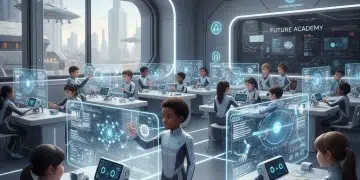
Imagine a classroom in 2026 where personalized learning technology is seamlessly integrated into every aspect of the educational experience. Students enter, and their personalized learning dashboards greet them, highlighting their progress, upcoming challenges, and recommended activities for the day. One student might be engaged in a VR simulation exploring cellular biology, while another works collaboratively on a coding project tailored to their skill level. A third might be receiving real-time feedback from an AI tutor on an essay, while a fourth participates in a small group discussion facilitated by the teacher on a complex historical event.
The teacher, armed with real-time analytics, moves around the room, offering targeted support to individuals or small groups. They are no longer the sole source of information but a guide, a mentor, and a facilitator, orchestrating a rich and dynamic learning environment. The curriculum is flexible, allowing students to delve deeper into subjects that ignite their passion, while ensuring they meet core learning objectives at their own pace.
This vision of the future classroom is not about technology replacing human interaction but enhancing it. It’s about technology empowering educators to reach every student more effectively, fostering a love for learning, and preparing them for a future that demands adaptability, critical thinking, and continuous skill development.
Measuring Success: The 15% More Students Goal
The target of reaching 15% more students through personalized learning by 2026 is ambitious but achievable. This metric isn’t just about increasing enrollment; it’s about expanding the reach of effective education to students who might otherwise be disengaged, underserved, or left behind by conventional systems. Success will be measured not only by improved test scores but also by:
- Increased Retention Rates: Fewer students dropping out of school or educational programs.
- Higher Engagement Levels: Observable participation, motivation, and enthusiasm for learning.
- Enhanced Skill Development: Measurable improvements in critical thinking, problem-solving, creativity, and digital literacy.
- Greater Equity: A reduction in achievement gaps across different demographic groups.
- Student Well-being: A more positive and less stressful learning experience, leading to improved mental health outcomes.
Achieving this goal will require a concerted effort from policymakers, educators, technology developers, parents, and communities. Investment in infrastructure, continuous research into effective pedagogical approaches, and a commitment to equitable access will be paramount.
Conclusion: A Brighter Future for Education
The journey towards a fully personalized learning ecosystem is complex, but the destination promises a more equitable, engaging, and effective educational experience for all. By 2026, personalized learning technology will have matured to a point where it can genuinely cater to the unique needs of a significantly larger student population, potentially impacting 15% more learners than ever before. This isn’t just about integrating gadgets into classrooms; it’s about fundamentally rethinking how we teach and learn, harnessing the power of innovation to unlock every student’s full potential.
The future of education is personal. It is adaptive. It is inclusive. And with the continued evolution of technology and a collective commitment to student success, the vision of a truly tailored educational journey for every learner is well within our grasp. Let us embrace this transformation and build a future where every student has the opportunity to thrive.