Unlock $1,500 Annually: Lesser-Known Federal Benefits for US Families in 2026

Anúncios
Unlock Up to $1,500 Annually: Lesser-Known Federal Benefits for US Families in 2026
In an ever-evolving economic landscape, every dollar counts for American families. While many are familiar with major federal programs like Social Security or Medicare, a significant number of valuable, lesser-known federal benefits often go unclaimed. These benefits, designed to support various aspects of family life from childcare to housing and education, could collectively put an additional $1,500 or more into your family’s pocket annually, starting as early as 2026. This comprehensive guide aims to shed light on these crucial financial lifelines, helping US families navigate the complexities of government assistance and maximize their eligible support.
Anúncios
Understanding and accessing these federal family benefits requires diligence and a clear roadmap. The sheer volume of information can be overwhelming, leading many to overlook programs that could significantly impact their financial well-being. Our goal is to demystify the process, providing actionable insights into eligibility requirements, application procedures, and strategies for maximizing the aid available. By focusing on programs that might not be as widely publicized, we hope to empower families across the nation to claim the support they deserve and strengthen their financial foundation for 2026 and beyond.
Anúncios
The Landscape of Federal Family Benefits: What’s New for 2026?
The year 2026 is poised to bring subtle yet impactful changes to the array of federal family benefits available to US households. While no sweeping overhauls are anticipated without new legislation, adjustments to income thresholds, benefit amounts, and program guidelines are common. These incremental changes can significantly alter who qualifies and for how much, making it imperative for families to stay informed. Many of these adjustments are tied to inflation, cost-of-living indexes, or specific legislative mandates passed in previous years that take effect in 2026. For instance, some tax credits may see slight increases, or eligibility for certain housing assistance programs might be expanded to accommodate a broader range of income levels due to updated poverty guidelines.
Furthermore, digital transformation continues to influence how these benefits are accessed. Government agencies are increasingly streamlining online application processes, making it easier for eligible families to apply from the comfort of their homes. This shift not only improves accessibility but also reduces administrative burdens, potentially speeding up the approval process for many applicants. Understanding these technological advancements is as important as knowing the benefits themselves. Families should regularly check official government websites, such as USA.gov or the specific agency sites (e.g., HUD, HHS, USDA), for the most current information and any upcoming changes that could affect their eligibility or the scope of available federal family benefits.
Beyond the well-known programs, there are often pilot programs or state-level initiatives funded by federal grants that offer targeted support. These can be highly localized and might not receive national attention, yet they provide critical assistance to families in specific regions or with unique needs. Identifying these niche programs often requires engaging with local community organizations, social services, or even school districts, which are frequently conduits for such federally funded initiatives. Staying connected with these local resources can unlock additional layers of federal family benefits that are tailored to your community’s specific challenges and opportunities.
Unearthing Lesser-Known Federal Benefits: Potentially $1,500 in Savings
The promise of an extra $1,500 annually is a powerful motivator for any family. This section delves into specific lesser-known federal benefits that, when combined, could reach or exceed this amount. These are not typically the headlines-grabbing programs, but rather targeted supports that address specific needs or circumstances. Many families are eligible for one or more of these without even realizing it.
1. Child and Dependent Care Tax Credit (CDCTC) Enhancements
While the CDCTC is relatively well-known, potential enhancements or temporary expansions in 2026 could increase its value for many families. This credit helps offset the cost of care for a qualifying child under 13 or a dependent who is physically or mentally incapable of self-care. The maximum credit amount can vary based on adjusted gross income (AGI) and the number of qualifying dependents. For 2026, keep an eye on any legislative changes that might increase the percentage of expenses covered or raise the maximum expense limits, making this a more substantial federal family benefit. Even a small increase in the credit percentage can translate into hundreds of dollars saved annually.
2. Earned Income Tax Credit (EITC) for Childless Workers and Families
The EITC is a refundable tax credit for low-to moderate-income working individuals and couples, particularly those with children. What’s often lesser-known is that certain legislative changes have expanded EITC eligibility for childless workers, and ongoing adjustments may further refine this. For families, ensuring you claim the maximum EITC can be complex due to varying thresholds based on income, marital status, and the number of qualifying children. Many eligible families still fail to claim this credit. By understanding the specific income limits and filing requirements for 2026, families can ensure they receive this significant federal family benefit, which can be thousands of dollars, not just hundreds.
3. Low-Income Home Energy Assistance Program (LIHEAP) Expansion
LIHEAP helps families with energy costs, including heating, cooling, and weatherization. While it’s an established program, its funding and eligibility criteria can fluctuate. For 2026, some states might receive increased federal allocations, allowing them to serve more families or offer higher benefit amounts. This program is critical for reducing utility burdens, especially during extreme weather. Don’t assume you don’t qualify; income thresholds are often more generous than many realize, and the definition of ‘low-income’ can vary by state and local cost of living. This direct assistance can free up significant funds that would otherwise go to utility bills.
4. Special Supplemental Nutrition Program for Women, Infants, and Children (WIC) Adjustments
WIC provides nutritious foods, nutrition education, and healthcare referrals to low-income pregnant women, new mothers, infants, and young children. While well-known, families often overlook periodic adjustments to the types of foods covered, the benefit amounts, or expanded eligibility due to updated poverty guidelines. These changes, taking effect in 2026, could mean more comprehensive support for eligible families, ensuring better nutritional outcomes for vulnerable populations. The economic value of the food packages and health services can easily exceed several hundred dollars per recipient annually.
5. Broadband Benefit Program / Affordable Connectivity Program (ACP)
The Affordable Connectivity Program (ACP) helps ensure that households can afford the broadband they need for work, school, healthcare, and more. Eligible households can receive a discount of up to $30 per month toward internet service, and up to $75 per month for households on qualifying Tribal lands. They can also receive a one-time discount of up to $100 to purchase a laptop, desktop computer, or tablet from participating providers. This is a substantial, ongoing federal family benefit that directly reduces a critical household expense in the digital age. Many families are eligible but unaware of this program or its full scope.
6. Public Housing and Housing Choice Vouchers (Section 8) Updates
While often associated with very low-income families, eligibility for public housing and Section 8 vouchers can be broader than perceived, especially with fluctuating local median incomes. For 2026, watch for any adjustments to income limits or increased funding for these programs, which could shorten waitlists or expand the number of available vouchers in your area. This is one of the most impactful federal family benefits, as housing costs represent a significant portion of a family’s budget. Even if waitlists are long, applying and getting on the list is a crucial first step.

Eligibility Criteria: Do You Qualify for Federal Family Benefits?
Determining eligibility for federal family benefits is often the first hurdle. Most programs consider a combination of factors, including:
- Income: This is almost always a primary factor. Programs typically have Adjusted Gross Income (AGI) limits or specific percentages of the Federal Poverty Level (FPL). These limits are updated annually, so what didn’t qualify you last year might qualify you in 2026.
- Household Size: The number of individuals in your household directly impacts income thresholds. Larger families generally have higher income limits for eligibility.
- Residency: Most programs require US citizenship or legal residency. Some state-administered federal programs may also have state-specific residency requirements.
- Specific Circumstances: Age of children, disability status, veteran status, student status, and other unique situations can make you eligible for targeted programs. For example, specific educational grants are only for students pursuing higher education, or certain healthcare benefits for veterans.
- Assets: While less common for many direct assistance programs, some asset-based programs (e.g., certain Medicaid categories or housing assistance) may consider savings, property, and other assets. However, primary residences and vehicles are often exempt.
It’s crucial to review the specific requirements for each program you’re interested in, as they can vary significantly. Don’t make assumptions based on past eligibility or common misconceptions. The official government websites are the most reliable sources for up-to-date criteria for 2026.
Navigating the Application Process: Tips for Success
Once you’ve identified potential federal family benefits, the application process can seem daunting. However, with careful preparation and attention to detail, you can significantly increase your chances of success.
Gathering Necessary Documentation
Before you even start filling out forms, compile all relevant documents. This typically includes:
- Proof of identity for all household members (birth certificates, driver’s licenses, passports).
- Proof of residency (utility bills, lease agreements).
- Income verification (pay stubs, tax returns from the previous year, W-2s, 1099s, Social Security benefit letters).
- Proof of household size and composition (birth certificates for children, marriage certificates).
- Specific program-related documents (e.g., medical records for disability benefits, childcare expense receipts for CDCTC).
Having these documents organized and readily available will streamline the application process and prevent delays.
Online vs. Paper Applications
Many federal family benefits now offer online application portals, which are often faster and more efficient. However, paper applications are usually still an option. Consider which method you are more comfortable with. If applying online, ensure you have a stable internet connection and are using a secure device. If submitting paper applications, make copies of everything for your records before mailing them.
Seeking Assistance and Avoiding Scams
If you find the application process overwhelming, don’t hesitate to seek help. Many non-profit organizations, community centers, and local government offices offer free assistance with benefit applications. Look for certified navigators or caseworkers who can guide you through the process. Be wary of any service that charges a fee for applying for government benefits, as these are often scams. Legitimate assistance is usually free.
Maximizing Your Benefits: Strategies for US Families
Simply applying for one or two programs might not unlock the full $1,500 in potential annual savings. A strategic approach involves understanding how different federal family benefits can complement each other and continuously monitoring your eligibility.
Stacking Benefits Where Possible
Many federal programs are designed to work in conjunction. For example, receiving WIC benefits might also make you automatically eligible for free or reduced-price school meals. Qualifying for LIHEAP could also open doors to local energy efficiency programs. Researching these interconnections can lead to a synergistic effect, where one benefit helps you access another, maximizing your overall support. Always ask about other programs when you are approved for one.
Annual Review of Eligibility
Life circumstances change. Your income might increase or decrease, your household size could change, or a child might age out of a program. It’s crucial to conduct an annual review of your family’s eligibility for various federal family benefits. What you didn’t qualify for last year, you might qualify for in 2026, and vice-versa. Set a reminder to check for updates on relevant programs at least once a year, ideally around tax season or when new federal guidelines are typically released.
Utilizing Tax Credits Effectively
Many of the most significant federal family benefits come in the form of tax credits. Working with a knowledgeable tax preparer or utilizing free tax preparation services (like VITA or TCE programs) can ensure you claim all eligible credits. These professionals are often up-to-date on the latest tax law changes for 2026 and can identify credits you might overlook, such as the Child Tax Credit, EITC, or education credits. The difference between claiming some and claiming all eligible tax credits can easily be hundreds, if not thousands, of dollars.
Advocacy and Community Engagement
Staying engaged with local community groups and advocacy organizations can provide valuable insights into new or expanded federal family benefits. These groups often have direct lines to government agencies and are the first to know about pilot programs, funding increases, or local application drives. Participating in community forums or subscribing to newsletters from relevant organizations can keep you informed and connected to resources that might otherwise go unnoticed.
Future Outlook: Federal Benefits Beyond 2026
While our focus is on 2026, it’s important for US families to consider the broader trajectory of federal family benefits. The political and economic climate significantly influences policy decisions regarding social safety nets and financial assistance programs. Advocacy for certain programs, economic recessions, or periods of growth can all lead to shifts in funding and program design. Families should view these benefits not as static entitlements but as dynamic resources that require ongoing attention and engagement.
Anticipating future changes involves staying informed about legislative proposals and national discussions around family support. For instance, debates around universal childcare, expanded parental leave, or adjustments to the minimum wage could directly impact the landscape of federal family benefits in the years following 2026. Subscribing to government news feeds, reputable economic analysis outlets, and non-partisan policy research centers can provide valuable foresight. Understanding these macro trends can help families plan more effectively and adjust their strategies for accessing support.
Moreover, the integration of technology in benefit delivery is likely to continue to advance. This could mean more personalized benefit recommendations, AI-powered assistance for application processes, or even blockchain-based systems for secure and efficient distribution. While these innovations promise greater accessibility and efficiency, they also necessitate that families remain digitally literate and adaptable to new systems. The future of federal family benefits is one of continued evolution, demanding an informed and proactive approach from those who stand to gain the most.
Conclusion: Empowering US Families with Knowledge
The journey to unlock up to $1,500 annually in lesser-known federal benefits for US families in 2026 is one of discovery and empowerment. By taking the time to understand the myriad programs available, diligently checking eligibility, and meticulously navigating the application process, families can significantly enhance their financial stability. The key lies in proactive research, meticulous documentation, and a willingness to seek assistance when needed. Remember, these federal family benefits are designed to support you and your loved ones, providing a crucial safety net and opportunities for growth.
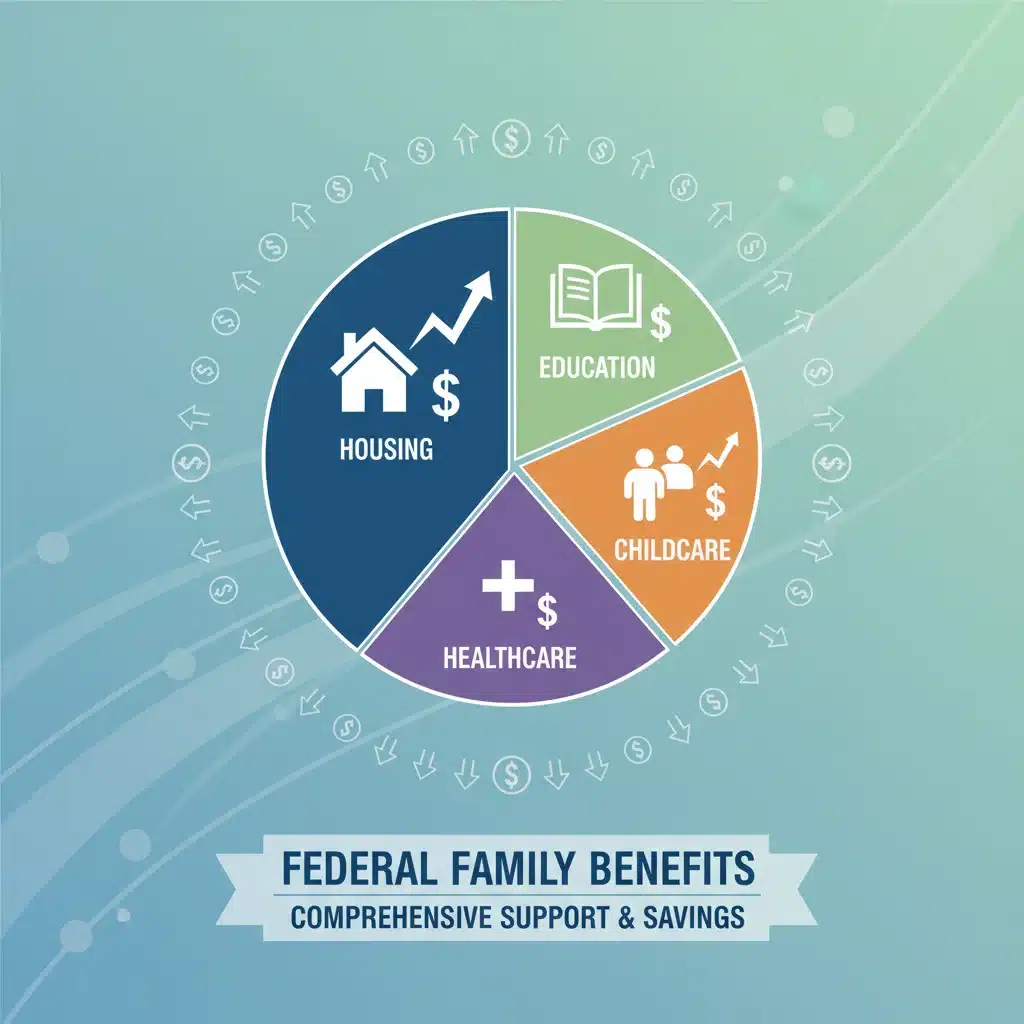
Don’t let the complexity deter you. Start by exploring the resources mentioned, reaching out to local organizations, and making an annual commitment to reviewing your family’s eligibility. The potential for an extra $1,500, or even more, can make a tangible difference in areas like childcare, housing, nutrition, and education, contributing to a more secure and prosperous future for your family. Equip yourself with knowledge, take action, and claim the federal family benefits that are rightfully yours.