Civil rights movements: a journey through history

Anúncios
Civil rights movements advocate for equality and justice by addressing systemic issues like racial discrimination, gender inequality, and more, utilizing strategies such as grassroots activism and nonviolent protests to drive change.
Civil rights movements have played a crucial role in advocating for equality and justice throughout history. Have you ever wondered how these movements have transformed societies and inspired change? Let’s dive into their compelling narratives.
Anúncios
Understanding civil rights movements
Understanding civil rights movements is essential to grasp how society can evolve towards justice and equality. These movements have been pivotal in challenging laws and practices that perpetuate discrimination.
Anúncios
What are civil rights movements?
Civil rights movements are organized efforts by various groups aiming to secure equal rights and social justice. They typically arise in response to systemic inequality. Throughout history, these movements have formed to address issues such as racial discrimination, gender inequality, and more.
Key Objectives of Civil Rights Movements
- Advocacy for legal and social equality
- Raising awareness of injustices
- Encouraging community participation and activism
- Influencing public policy and legislation
The goals of these movements often include changing laws that prevent fair treatment and raising public awareness about the struggles faced by marginalized communities. For instance, the Civil Rights Movement in the United States during the 1960s sought to dismantle segregation and ensure voting rights for African Americans.
The Impact on Society
Over time, civil rights movements have significantly influenced societal norms and values. They have shaped public policy, inspired new legislation, and continue to drive conversations about justice and equality. These movements have relied on various methods, including protests, legal challenges, and grassroots organization.
As we study these movements, it is crucial to recognize the voices and stories behind them. Each event, each protest, and each action contributes to a larger narrative of striving for a better society.
Key figures in the civil rights struggle

Key figures in the civil rights struggle have played vital roles in advocating for equality and justice. Their tireless efforts have shaped the course of history and inspired many others to join the fight.
Martin Luther King Jr.
One of the most notable leaders, Martin Luther King Jr., championed nonviolent protest. His famous “I Have a Dream” speech during the 1963 March on Washington is a powerful reminder of his vision for a racially integrated and harmonious America.
Rosa Parks
Rosa Parks is often referred to as the “mother of the civil rights movement.” Her refusal to give up her bus seat in Montgomery, Alabama, sparked a citywide boycott that led to significant changes in segregation laws.
Malcolm X
Contrasting King’s approach, Malcolm X promoted self-defense and empowerment. He encouraged African Americans to take pride in their heritage and was an influential figure in the Nation of Islam, advocating for Black self-determination.
- These leaders inspired many through their words and actions.
- They faced immense challenges and personal sacrifices.
- Each had a unique approach to advocating for change.
- Their legacies continue to influence modern movements.
Many other figures also contributed significantly. Individuals like Thurgood Marshall, who fought for civil rights through the legal system, and Ella Baker, who emphasized grassroots organizing, played essential parts in the ongoing struggle. Their collective work highlighted that change is possible when individuals are dedicated to a cause, regardless of the obstacles they face.
Understanding these key figures helps us appreciate the complexity and depth of the civil rights struggle, reminding us of the importance of each person’s contribution to the larger movement.
Major milestones and events
Major milestones and events have defined the civil rights movements throughout history. These pivotal moments not only shaped the course of the struggle but also highlighted the resilience of those fighting for equality.
The Brown v. Board of Education Decision
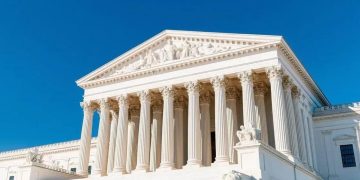
In 1954, the Supreme Court’s decision in Brown v. Board of Education declared that state-sponsored segregation in public schools was unconstitutional. This landmark ruling was a major victory for the civil rights movement, laying the groundwork for future challenges against segregation.
The Montgomery Bus Boycott
The Montgomery Bus Boycott began in 1955 when Rosa Parks was arrested for refusing to give up her seat. This 381-day boycott demonstrated the power of organized resistance and significantly impacted the bus system in Montgomery, Alabama, as well as the broader civil rights struggle.
- It showcased the effectiveness of nonviolent protest.
- It involved the community coming together for a common cause.
- It led to the rise of Martin Luther King Jr. as a key leader.
Another significant event was the March on Washington for Jobs and Freedom in 1963. This gathering attracted over 250,000 participants and is famous for Martin Luther King Jr.’s iconic “I Have a Dream” speech. It significantly raised awareness and support for civil rights legislation.
In 1964, the Civil Rights Act was passed, prohibiting discrimination based on race, color, religion, sex, or national origin. This was a crucial step toward achieving legal equality for all Americans and marked a significant victory for civil rights activists.
Additional events like the Selma to Montgomery marches in 1965 and the Voting Rights Act that followed have solidified the legacy of the civil rights movement. These moments serve as important reminders of the ongoing fight for equality and justice.
Current civil rights issues

Current civil rights issues are still very much at the forefront of societal discussions today. Even though significant progress has been made, many challenges remain for diverse communities worldwide.
Racial Injustice
Racial injustice continues to be a pressing issue. Events like the Black Lives Matter movement have highlighted systemic racism within law enforcement and social structures. These organizations advocate for policies that seek to end violence against marginalized communities.
Gender Equality
Gender equality is another crucial topic. Women and LGBTQ+ individuals still face discrimination in various aspects of life, including the workplace and healthcare. The fight for equal pay and reproductive rights remains ongoing, as many advocate for policies that promote women’s health and equality.
- Access to affordable healthcare for all.
- Policies that support equal pay for equal work.
- Protection against workplace discrimination.
In addition, immigration rights are a significant concern. Many immigrant communities experience discrimination and lack of access to basic services. Advocacy for humane immigration policies emphasizes the rights of individuals seeking refuge and a better life.
Disability rights are also gaining more attention. Advocacy groups are pushing for better access to public spaces and services for people with disabilities. Understanding and supporting these rights is essential to building a more inclusive society.
As we address these current civil rights issues, it’s important to recognize that activism and awareness can create change. Community engagement is vital to ensuring that all individuals enjoy the rights and freedoms intended for everyone.
The role of grassroots activism
The role of grassroots activism is vital in driving the civil rights movements forward. Grassroots efforts empower individuals in local communities to unite and advocate for change. These movements often start small but can lead to significant societal shifts.
Community Engagement
Grassroots activism focuses on community engagement. Local organizations mobilize volunteers and supporters to raise awareness about civil rights issues. These efforts help to educate the public and build a strong, informed base of activists.
Direct Action and Protests
Many grassroots movements utilize direct action, such as protests, rallies, and sit-ins. These methods are effective in capturing public attention and pressuring authorities to consider reform. Activists often use social media to organize events and spread their messages to a wider audience.
- Encourages collective action among community members.
- Amplifies voices that may otherwise go unheard.
- Develops leadership skills within the community.
Additionally, grassroots activism addresses local issues directly. By focusing on specific community needs, activists can create targeted campaigns that drive change. For example, they may work on issues like affordable housing, police reform, and healthcare access. These campaigns often include petitions, public meetings, and community forums.
The impact of grassroots activism can be seen in various successes around the world. Many policies that promote justice and equality emerged from grassroots movements. They not only bring immediate change but also create lasting influence on the political landscape.
Overall, grassroots activism fuels the civil rights movements by involving ordinary people in the fight for equality. It nurtures a culture of activism, encouraging people to take action in their communities.
Lessons from the past for future movements

Lessons from the past for future movements provide essential insights for ongoing struggles for civil rights. Understanding historical successes and failures can help activists shape their strategies for today and tomorrow.
Learning from Historical Movements
Past movements show the importance of unity. When people come together for a common cause, they can amplify their voices and create more significant impact. For example, the Civil Rights Movement of the 1960s demonstrated how solidarity among diverse groups could challenge injustices effectively.
The Power of Nonviolence
Nonviolent resistance has proven to be a powerful approach. Leaders like Martin Luther King Jr. emphasized peaceful protests and dialogues. This method can invoke compassion and understanding, making it harder for opponents to justify violent responses.
- Prioritize building coalitions across different demographics.
- Utilize nonviolent strategies and peaceful protests.
- Focus on awareness and education to inform the public.
Another critical lesson is the need for adaptability. Movements must respond to changing circumstances and be willing to adjust their strategies accordingly. The rise of digital technology offers new avenues for organizing and mobilizing supporters. Social media can spread messages quickly and connect activists globally.
Furthermore, recognizing the importance of grassroots engagement is vital. Many effective movements started at the community level, empowering local leaders to drive change. By engaging with people directly and understanding their needs, movements can gain trust and support.
Lastly, understanding that the fight for civil rights is ongoing is essential. Movements must build on the past while looking forward to the future, ensuring that they remain relevant and responsive to current challenges.
FAQ – Frequently Asked Questions about Civil Rights Movements
What are civil rights movements focused on?
Civil rights movements aim to secure equal rights and social justice, addressing issues like racial discrimination, gender equality, and more.
How can grassroots activism impact civil rights movements?
Grassroots activism empowers local communities to unite and advocate for change, making a significant impact through collective action.
What strategies have been effective in past civil rights movements?
Nonviolent protests and community engagement have been effective strategies, as they foster unity and inspire compassion.
Why is it important to learn from past movements?
Learning from past movements helps current activists understand successful strategies and avoid previous mistakes, guiding them in their ongoing struggles.