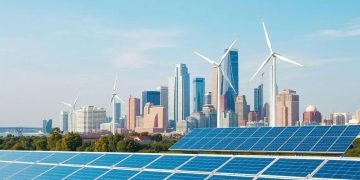
Biden’s economic stimulus impact 2025: What to expect

Anúncios
Biden’s economic stimulus aims to drive job growth, support small businesses, and foster long-term sustainability through investments in clean energy and infrastructure, positioning the economy for transformative recovery.
Biden’s economic stimulus impact 2025 is a topic that’s generating buzz and questions everywhere. How will these measures change your financial landscape? Let’s dive into the details and implications!
Anúncios
Overview of Biden’s economic stimulus
The overview of Biden’s economic stimulus is crucial to understanding its significance for the American economy. Since taking office, President Biden has implemented various stimulus measures aimed at helping families, businesses, and the overall economy recover from the pandemic’s effects. These initiatives focus on job creation, direct financial support to citizens, and revitalizing industries hard hit by COVID-19.
Anúncios
One aspect of this stimulus is the financial aid provided to households, which aims to boost spending and stimulate economic activity. This has led to increased demand, benefiting businesses across sectors.
Key Components of the Stimulus
A few essential parts of the stimulus include:
- Direct payments to individuals and families
- Extended unemployment benefits
- Funding for small businesses to prevent layoffs
- Increased investment in infrastructure and clean energy
These measures strive to promote economic growth and ensure a robust recovery. By injecting money directly into the economy, the government aims to create jobs and facilitate business activity.
Additionally, the stimulus includes provisions for education, healthcare, and long-term investments. This holistic approach not only provides immediate relief but also invests in future growth areas. As new opportunities arise from this funding, the economic landscape is expected to transform.
Projected Outcomes
The anticipated results from these stimulus efforts include reductions in unemployment rates and increases in gross domestic product (GDP). As these changes take effect, monitoring their impact is vital for understanding the broader implications on the economy.
The overall goal is to create a foundation for sustained economic growth. By supporting workers, businesses, and communities, the economic stimulus package sets the stage for a more resilient future.
Projected effects on job growth
The projected effects on job growth due to Biden’s economic stimulus are promising and could reshape the labor market in the coming years. As businesses begin to recover from the pandemic, there are significant indicators that job creation will increase.
With the infusion of capital from stimulus packages, companies can invest in hiring more staff, expanding their operations, and enhancing productivity. An essential part of this recovery is aimed at industries that suffered the most during the pandemic.
Key Areas of Job Growth
Some specific areas anticipated to see substantial job growth include:
- Healthcare and social assistance
- Construction, driven by infrastructure projects
- Technology and renewable energy sectors
- Retail and service industries as consumer spending rises
These sectors not only provide immediate job opportunities but also have the potential to create long-term careers for workers. As the economy rebounds, the demand for skilled labor will likely increase, pushing for more training and educational programs.
Furthermore, government initiatives will focus on workforce development, ensuring that individuals are adequately trained for new roles. This approach can help mitigate unemployment and underemployment rates, positively impacting the economy as a whole.
Economic Indicators Supporting Job Growth
Several economic indicators point towards a favorable job market. Increased consumer confidence, rising GDP, and investments in essential infrastructure projects all contribute to a healthier employment landscape.
The combination of these factors suggests a robust recovery trajectory, with expectations of millions of new jobs being created over the next few years. As businesses adapt and grow thanks to stimulus measures, workers can look forward to diverse job opportunities that cater to various skill sets.
Impact on small businesses and startups

The impact on small businesses and startups from Biden’s economic stimulus is a vital area to examine. Small businesses are often viewed as the backbone of the American economy, employing millions and driving innovation. With the support of recent stimulus measures, these businesses have an opportunity to recover and thrive.
Direct financial aid has allowed many small businesses to stay afloat during challenging times. This funding helps cover essential costs, such as rent, utilities, and payroll. Many entrepreneurs are using this relief to adjust their business models and invest in new technologies.
Key Benefits for Small Businesses
Some important benefits of the economic stimulus include:
- Access to grants and forgivable loans
- Tax relief measures
- Help with cash flow management
- Resources for adapting to new market demands
These benefits significantly alleviate the pressure small business owners face, helping them navigate and adjust to ongoing economic changes. Additionally, access to funds enables these businesses to hire employees, contributing to job growth.
Startups are also seeing positive effects from this stimulus. The funding allows them to pivot quickly and take advantage of emerging opportunities. Many startups are focusing on technology and services that support remote work and online commerce, both of which have seen rapid growth.
Challenges and Considerations
Despite the advantages, small businesses also face challenges. Competition remains fierce, and not all businesses are aware of the available support. Some may struggle to adapt to new consumer behavior as markets evolve.
Therefore, it is crucial for business owners to stay informed about the resources and programs designed to help them. By leveraging these tools, small businesses and startups can not only survive but potentially flourish in the changing economic landscape.
Expected inflation and consumer prices
The expected inflation and consumer prices as a result of Biden’s economic stimulus are critical topics that affect everyone. With increased spending and investment in the economy, many are wondering how these factors will shift in the coming years.
As more money enters the market, inflation can rise. The stimulus aims to jumpstart economic growth, but it also raises concerns about how it might affect consumer prices. People want to know if their purchasing power will diminish as costs increase.
Key Factors Influencing Inflation
Several factors are influencing inflation, including:
- The amount of money circulating in the economy
- Supply chain disruptions
- Consumer demand for goods and services
- Government spending levels
As the economy reopens and consumer demand picks up, prices for various goods may rise. For instance, sectors like housing, food, and energy are particularly susceptible to inflationary pressures.
Additionally, while some economists predict a temporary spike in inflation, others argue that it could stabilize as supply chains recover and production ramps up. This means that while immediate price increases may occur, they might not continue at the same rate.
Consumer Price Trends
As we observe consumer price trends, it’s essential to pay attention to specific categories. Prices for essential items often fluctuate due to several reasons, like production costs and global demand. Some categories experiencing price changes include:
- Food items and groceries, impacted by both demand and supply chain issues
- Energy costs, which may rise due to increased travel and consumption
- Healthcare services and products, possibly affected by policy changes
- Housing market dynamics, where increased demand might lead to higher rental and purchase prices
These trends have a direct impact on consumers and their spending habits. It’s crucial for individuals and families to monitor these changes as they plan their budgets.
Long-term economic transformation prospects
The long-term economic transformation prospects resulting from Biden’s economic stimulus are a key area of interest for many. These initiatives are designed not only to respond to current needs but also to lay the groundwork for a more resilient and modern economy.
One of the most significant aspects of this economic transformation is the focus on clean energy and infrastructure. The government has emphasized investing heavily in renewable resources and sustainable technologies. This shift not only helps combat climate change but also creates new job opportunities in emerging industries.
Key Areas of Transformation
Several critical areas are expected to see significant changes:
- Green Technology: Investment in solar, wind, and other renewable energy sources is poised to reshape the energy sector.
- Infrastructure Development: Modernizing roads, bridges, and public transportation systems will facilitate economic activity and improve quality of life.
- Healthcare Innovations: The pandemic highlighted the need for improved healthcare systems, leading to advancements in telemedicine and health technologies.
- Education and Training: As industries evolve, there will be a strong focus on reskilling and upskilling the workforce to meet new demands.
These transformations foster a more skilled labor force ready to tackle the challenges of a changing economic landscape. The push for innovation and sustainability not only supports current jobs but also creates future opportunities for growth.
Moreover, as the economy adjusts to these changes, businesses may need to adapt their strategies. Companies might focus more on sustainability and corporate responsibility, attracting consumers who prioritize these values. This shift could redefine market dynamics, favoring companies that embrace modern practices.
Consumer Behavior and Economic Growth
With evolving consumer preferences, there is likely to be a greater demand for sustainable products and services. This trend could prompt businesses to innovate further, leading to a positive feedback loop of economic growth.
As societal expectations shift, the landscape of consumer goods and services will evolve, paving the way for new market leaders. Companies that recognize and adapt to these trends early on will likely have a competitive advantage in the future economy.
In conclusion, Biden’s economic stimulus has the potential to drive significant changes in the economy. With a focus on job growth, support for small businesses, and long-term sustainability, the measures taken can lead to a brighter future. By fostering innovation and adapting to new consumer demands, the economy is poised to transform positively. Remaining aware of these trends will help individuals and businesses navigate the opportunities and challenges ahead, ensuring they are well-prepared for the evolving market landscape.
FAQ – Frequently Asked Questions about Biden’s Economic Stimulus Impact
What is the primary goal of Biden’s economic stimulus?
The primary goal is to promote job growth, support small businesses, and stimulate long-term economic recovery.
How does the stimulus support small businesses?
The stimulus provides financial aid, grants, and loans to help small businesses cover costs and adapt to changing market conditions.
What impact might the stimulus have on inflation?
Increased consumer demand and spending may lead to temporary inflation, but it can stabilize as supply chains recover.
What are the long-term prospects for economic transformation?
Investments in clean energy, infrastructure, and technology aim to create sustainable growth and new job opportunities in the future.