
The American healthcare system stands at a critical juncture, with discussions surrounding comprehensive reform gaining significant momentum in Congress. As the nation grapples with issues of accessibility, affordability, and quality of care, lawmakers are meticulously crafting legislation aimed at addressing these long-standing challenges. A pivotal vote on these proposed changes is anticipated in March 2026, marking a potential watershed moment for the future of healthcare in the United States. This article delves deep into the heart of these discussions, specifically focusing on the four key provisions that are central to the proposed healthcare reform 2026 package.
Anúncios
The Impetus for Healthcare Reform 2026
The call for healthcare reform 2026 is not new, but the urgency has escalated in recent years. Millions of Americans continue to struggle with high medical costs, inadequate insurance coverage, and disparities in access to essential services. The COVID-19 pandemic further exposed the vulnerabilities and inequities within the existing system, highlighting the need for a more resilient, equitable, and efficient healthcare infrastructure. Congressional leaders, recognizing these pressing concerns, have initiated a robust legislative process to develop and refine a comprehensive reform package. The March 2026 vote is the culmination of extensive deliberations, expert testimonies, and public input, designed to forge a path towards a healthier future for all Americans. Understanding the context and drivers behind this reform is crucial to appreciating the significance of its individual components.
Historical Context and Evolving Needs
For decades, the United States has grappled with the complexities of its healthcare system. From the early days of employer-sponsored insurance to the landmark legislation of Medicare and Medicaid, and more recently the Affordable Care Act (ACA), each era has brought its own set of solutions and subsequent challenges. The current push for healthcare reform 2026 acknowledges the successes and shortcomings of past efforts, aiming to build upon existing frameworks while introducing innovative approaches to address contemporary needs. Factors such as an aging population, the rising prevalence of chronic diseases, advancements in medical technology, and the persistent issue of medical debt have all contributed to the imperative for systemic change. This reform effort seeks to provide a more stable and predictable healthcare environment, fostering better health outcomes and financial security for individuals and families across the nation. The discussions leading up to the March 2026 vote are thus a reflection of a society striving for progress and equity in one of its most vital sectors.
Anúncios
Provision 1: Enhancing Affordable Access to Care
One of the cornerstone provisions of the proposed healthcare reform 2026 package focuses on significantly enhancing affordable access to care. This provision aims to tackle the pervasive issue of uninsured and underinsured Americans, ensuring that essential medical services are within reach for everyone, regardless of their socioeconomic status. Key elements under consideration include expanding eligibility for federal subsidies to reduce insurance premiums, increasing the scope of Medicaid expansion in states that have not yet adopted it, and introducing new public health insurance options to compete with private plans. The goal is to create a more inclusive system where financial barriers do not prevent individuals from receiving necessary medical attention, from preventative screenings to specialized treatments. Lawmakers are exploring various mechanisms to achieve this, including adjustments to the ACA marketplace, strengthening consumer protections, and implementing measures to prevent discriminatory practices by insurers. The emphasis is on building a robust safety net and creating pathways for continuous, comprehensive coverage for all citizens. This provision is seen as critical to improving public health outcomes and reducing the burden of preventable diseases across the country.
Expanding Coverage and Reducing Premiums
Central to enhancing affordable access is the strategy to expand coverage and reduce the financial burden of insurance premiums. The proposed healthcare reform 2026 legislation is examining ways to increase the generosity of premium tax credits, making health insurance more affordable for low and middle-income families. There are also discussions around capping out-of-pocket expenses for individuals and families, thereby protecting them from catastrophic medical bills. Furthermore, the provision considers the establishment of a national reinsurance program to stabilize insurance markets and lower overall costs. By ensuring that more people have access to affordable, comprehensive health insurance, this provision aims to reduce reliance on emergency room visits for primary care, encourage preventative health measures, and ultimately lead to a healthier, more productive population. The long-term economic benefits of a healthier workforce and reduced healthcare costs are significant drivers behind these proposed changes, making this a pivotal aspect of the reform agenda.
Provision 2: Strengthening Patient Protections and Rights
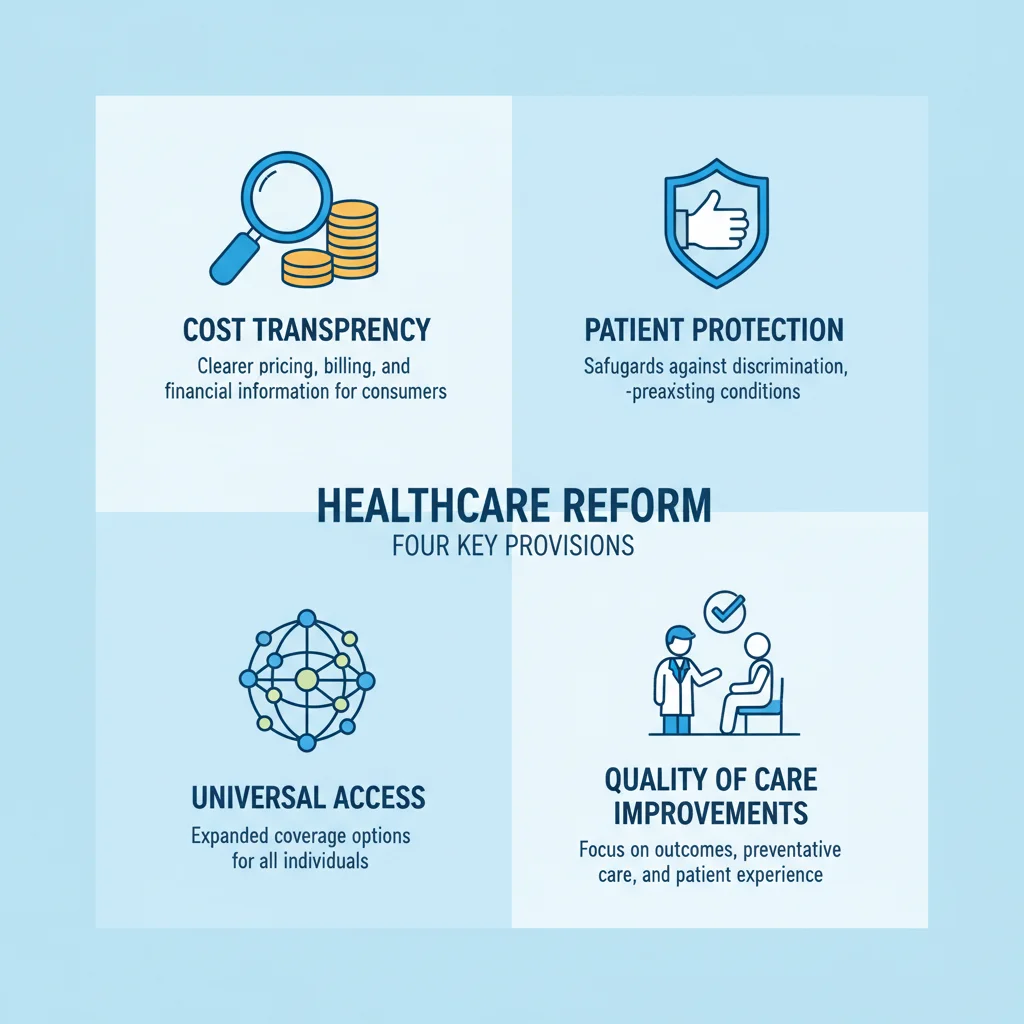
The second key provision in the healthcare reform 2026 package is dedicated to strengthening patient protections and rights. This area of reform addresses concerns about patient advocacy, transparency, and the overall quality of care received. Proposed measures include enhancing existing protections against surprise medical billing, ensuring that patients have clear and actionable information about their treatment options and costs, and establishing more robust mechanisms for resolving patient complaints. Furthermore, there is a strong focus on protecting individuals with pre-existing conditions, ensuring they cannot be denied coverage or charged exorbitant premiums. The reform seeks to empower patients by giving them greater control over their healthcare decisions and ensuring that their voices are heard within the medical system. This includes provisions for better access to medical records, improved privacy safeguards, and the right to appeal insurance company decisions. The goal is to create a healthcare environment where patients feel secure, respected, and confident in the care they receive, fostering trust between patients, providers, and insurers. The discussions leading up to the March 2026 vote underscore the commitment to prioritizing patient well-being and autonomy.
Addressing Surprise Billing and Price Transparency
A significant component of strengthening patient protections involves tackling surprise medical billing and promoting greater price transparency. The healthcare reform 2026 proposals aim to expand upon existing legislation to eliminate unexpected charges from out-of-network providers, particularly in emergency situations. This means patients would only be responsible for their in-network cost-sharing amounts, with providers and insurers negotiating the remaining balance. Concurrently, the reform seeks to mandate greater price transparency from hospitals and insurance companies, requiring them to disclose pricing information for common procedures and services in an easily understandable format. This would allow consumers to make more informed decisions about their care, compare costs, and avoid unexpected financial burdens. By empowering patients with clearer information and stronger protections against predatory billing practices, this provision seeks to alleviate a major source of financial stress and anxiety for many Americans, ensuring a fairer and more predictable healthcare experience.
Provision 3: Investing in Public Health Infrastructure and Prevention
The third crucial provision of the proposed healthcare reform 2026 package centers on a substantial investment in public health infrastructure and preventative care. The lessons learned from recent public health crises have underscored the urgent need for a more robust and responsive public health system. This provision aims to allocate significant funding towards strengthening local and state public health departments, enhancing disease surveillance capabilities, and improving preparedness for future health emergencies. It also focuses on promoting preventative health measures, recognizing that prevention is often more effective and cost-efficient than treatment. This includes initiatives to increase access to vaccinations, expand community-based wellness programs, and address social determinants of health such as nutrition, housing, and environmental factors. By proactively investing in public health, the reform seeks to build a healthier population, reduce the incidence of preventable diseases, and alleviate the strain on acute care services. The March 2026 vote will determine the extent of this commitment to building a more resilient and health-conscious society.
Prioritizing Preventative Care and Community Health
A key aspect of this provision is the prioritization of preventative care and community health initiatives. The healthcare reform 2026 proposals advocate for increased funding for programs that promote healthy lifestyles, early disease detection, and chronic disease management. This includes expanding access to primary care physicians, increasing mental health services, and supporting programs that address health disparities in underserved communities. There is also a focus on leveraging technology to improve public health surveillance and response, such as advanced data analytics for tracking disease outbreaks and digital platforms for health education. By shifting the focus from reactive treatment to proactive prevention, this provision aims to improve overall population health, reduce healthcare costs in the long run, and create a more equitable health landscape. The emphasis on community-level interventions acknowledges that health is influenced by a multitude of factors beyond clinical care, requiring a holistic approach to wellness.
Provision 4: Modernizing Healthcare Delivery and Technology
The fourth and final key provision in the healthcare reform 2026 package addresses the modernization of healthcare delivery and technology. This provision recognizes the transformative potential of innovation in improving patient outcomes, efficiency, and access. It includes initiatives to expand the adoption of telehealth services, particularly in rural and underserved areas, making it easier for patients to consult with healthcare professionals remotely. There’s also a strong emphasis on interoperability of electronic health records (EHRs), ensuring that patient data can be seamlessly shared between different providers and systems, leading to better coordinated care and reduced medical errors. Furthermore, the reform seeks to encourage investment in artificial intelligence (AI) and other advanced technologies for diagnostics, personalized medicine, and administrative efficiency. By embracing technological advancements, this provision aims to streamline healthcare processes, enhance the quality of care, and make the system more responsive to the evolving needs of patients and providers. The legislative discussions leading up to the March 2026 vote are exploring ways to foster innovation while ensuring equitable access to these new technologies.
Leveraging Telehealth and Digital Health Solutions
The expansion and integration of telehealth and digital health solutions are central to modernizing healthcare delivery. The healthcare reform 2026 proposals aim to permanently expand access to telehealth services, including reimbursement parity with in-person visits, to ensure its widespread adoption and sustainability. This would not only improve access to specialists for patients in remote areas but also offer greater convenience and flexibility for routine appointments and follow-up care. Beyond telehealth, the provision encourages the development and implementation of other digital health tools, such as remote patient monitoring devices, mobile health applications, and AI-powered diagnostic aids. These technologies have the potential to revolutionize how care is delivered, making it more personalized, proactive, and efficient. By investing in these innovations, the reform seeks to create a more agile and future-ready healthcare system, capable of adapting to new challenges and delivering high-quality care in an increasingly digital world. The upcoming March 2026 vote will be instrumental in shaping this technological transformation.
The Path to the March 2026 Vote
The journey towards the March 2026 vote on healthcare reform 2026 is complex and multifaceted. Congressional committees are currently engaged in detailed markups of the proposed legislation, debating the nuances of each provision and considering amendments. Public hearings are being held to gather input from healthcare professionals, patient advocacy groups, industry stakeholders, and the general public. These discussions are crucial for ensuring that the final package addresses the diverse needs and concerns of all Americans. Political negotiations are also underway, as lawmakers from both sides of the aisle seek common ground to pass meaningful reform. The legislative process involves several stages, including committee approvals, floor debates in both the House and Senate, and ultimately, a presidential signature. Each stage presents opportunities for further refinement and compromise. The stakes are incredibly high, as the outcome of this vote will have profound implications for the health and financial well-being of millions of people for generations to come. The coming months will be critical in shaping the final contours of this landmark legislation, making it essential for citizens to stay informed and engaged.
Potential Impact and Future Outlook
The potential impact of the healthcare reform 2026, if passed, is enormous. It could fundamentally alter the landscape of healthcare in the United States, leading to broader insurance coverage, reduced out-of-pocket costs, enhanced patient rights, a stronger public health infrastructure, and a more technologically advanced delivery system. While the specific details are still being ironed out, the overarching goal is to create a healthcare system that is more equitable, efficient, and responsive to the needs of its population. Critics and proponents alike are closely watching the proceedings, offering their perspectives on the potential benefits and drawbacks of each provision. The debate is robust, reflecting the diverse opinions and priorities within American society. However, there is a general consensus that the status quo is unsustainable, and significant change is necessary. The March 2026 vote represents not just a legislative decision, but a societal commitment to addressing one of the most pressing challenges of our time. Its successful passage could usher in a new era of healthcare, characterized by greater access, affordability, and quality for all.
Conclusion: A Critical Juncture for Healthcare Reform 2026
The discussions surrounding the proposed healthcare reform 2026 represent a critical juncture for the United States. With a pivotal vote scheduled for March 2026, the nation stands on the precipice of potentially transformative changes to its healthcare system. The four key provisions – enhancing affordable access to care, strengthening patient protections and rights, investing in public health infrastructure and prevention, and modernizing healthcare delivery and technology – are designed to address the multifaceted challenges that have long plagued American healthcare. Each provision offers a distinct yet interconnected approach to building a more equitable, efficient, and resilient system. As the legislative process unfolds, the eyes of the nation will be on Congress, awaiting a decision that will shape the health and well-being of generations to come. The outcome of the March 2026 vote will undoubtedly leave an indelible mark on the future of healthcare in America, underscoring the importance of informed dialogue and active participation from all stakeholders.