Energy Assistance Programs 2026: Don’t Miss Out on Up to $1,000 in Utility Bill Relief

Anúncios
Energy Assistance Programs 2026: Don’t Miss Out on Up to $1,000 in Utility Bill Relief
As we step into 2026, many households across the nation continue to face the daunting challenge of rising energy costs. The burden of high utility bills can be immense, impacting budgets and causing significant stress. Fortunately, a variety of energy assistance programs are available, designed to provide crucial utility bill relief to those who need it most. These programs, often overlooked or misunderstood, can offer substantial financial aid, potentially saving eligible households up to $1,000 or more annually on their heating and cooling expenses. Understanding these opportunities and knowing how to access them is paramount for ensuring your home remains warm in winter and cool in summer without breaking the bank.
This comprehensive guide is your essential resource for navigating the landscape of energy assistance in 2026. We will delve into the primary programs, dissect eligibility requirements, walk you through the application process, and provide invaluable tips to maximize your chances of receiving aid. Our goal is to empower you with the knowledge needed to secure the utility bill relief you deserve, ensuring energy affordability for your family. Don’t let high energy costs compromise your comfort or financial stability – read on to discover how you can leverage these vital resources.
Anúncios
Understanding the Landscape of Energy Assistance Programs
The array of energy assistance programs can seem complex at first glance, but they generally fall into a few key categories, each with specific aims and target demographics. The most prominent federal program is the Low Income Home Energy Assistance Program (LIHEAP), which serves as a cornerstone for utility bill relief across the United States. Beyond LIHEAP, numerous state, local, and utility-specific initiatives also play a critical role in providing support. These programs are not just about direct financial aid; some also offer weatherization services, designed to make your home more energy-efficient and reduce future energy consumption, thereby providing long-term utility bill relief.
Anúncios
It’s crucial to understand that eligibility for these programs is typically based on household income, size, and specific needs, such as the presence of elderly individuals, young children, or those with disabilities. While the general guidelines are set federally, states and local agencies often have the flexibility to adjust criteria and program specifics to best suit the needs of their communities. This means that even if you didn’t qualify in previous years, or if your financial situation has recently changed, it’s always worth re-evaluating your eligibility for utility bill relief in 2026. Many programs operate on a first-come, first-served basis, or have specific application windows, so timely action is often key to securing benefits.
The Low Income Home Energy Assistance Program (LIHEAP): Your Primary Resource
LIHEAP is the largest federal program designed to help low-income households with their heating and cooling costs, as well as energy crisis assistance and weatherization. Administered by states and tribal organizations, LIHEAP funds are distributed to eligible households to provide direct utility bill relief. The program has several components:
- Heating Assistance: Helps cover the costs of heating your home during cold months.
- Cooling Assistance: Provides aid for cooling costs during hot months, particularly vital in regions with extreme summer temperatures.
- Energy Crisis Assistance: Offers immediate help to households facing a shut-off notice or needing to restore energy service.
- Weatherization and Energy-Related Home Repairs: Funds improvements to make homes more energy-efficient, reducing future energy bills and providing sustainable utility bill relief.
Eligibility for LIHEAP is primarily determined by income, typically falling below a certain percentage of the federal poverty level or state median income. However, states have some discretion in setting their specific income thresholds. For 2026, it’s anticipated that these guidelines will remain similar to previous years, but it’s always best to check with your local LIHEAP office or state energy assistance program website for the most current information. The application process usually involves submitting proof of income, household members, and utility bills. Given its broad reach and substantial funding, LIHEAP is often the first and most significant source of utility bill relief for many families.
State and Local Energy Assistance Initiatives
Beyond LIHEAP, nearly every state and many local municipalities offer their own energy assistance programs, often complementing federal aid or filling gaps where LIHEAP may not fully cover needs. These programs can vary widely in scope and eligibility, ranging from direct financial grants to specialized programs for specific demographics or energy needs. For instance, some states have programs specifically for seniors, individuals with disabilities, or families with young children. Others might focus on specific energy sources, such as propane or oil, or offer assistance with past-due balances that threaten service disconnection.
Many state programs are funded through a combination of state appropriations, utility surcharges, and private donations. It’s not uncommon for these programs to be administered through local community action agencies, social service departments, or non-profit organizations. To find out what’s available in your area, a good starting point is your state’s public utility commission website, department of social services, or simply searching online for “[Your State] energy assistance programs 2026.” These local initiatives are vital components of the overall strategy to provide comprehensive utility bill relief.
Utility Company Assistance Programs
Don’t overlook the resources offered directly by your utility providers. Most major electric, gas, and even some water companies have their own assistance programs for customers experiencing financial hardship. These programs are often funded by voluntary contributions from customers (often called “round up” programs) or shareholder allocations. They can include:
- Arrearage Management Programs (AMPs): Designed to help customers with significant past-due balances. These often involve a payment plan where a portion of the old debt is forgiven for every on-time payment made on current bills.
- Low-Income Discount Programs: Some utilities offer a fixed discount on monthly bills for eligible low-income customers.
- Energy Efficiency Upgrades: Utilities may provide free or low-cost home energy audits and direct installation of energy-saving measures like LED light bulbs, smart thermostats, or insulation, contributing to long-term utility bill relief.
- Payment Arrangements: While not direct aid, utilities are often willing to work with customers to set up extended payment plans for overdue bills, preventing service disconnections.
To inquire about these programs, directly contact your electric, gas, or water utility company. Their customer service representatives can provide information on available programs, eligibility criteria, and application procedures. Many utility websites also have dedicated sections for financial assistance or customer support, making it easier to find relevant information for utility bill relief.
Eligibility Requirements: What You Need to Know
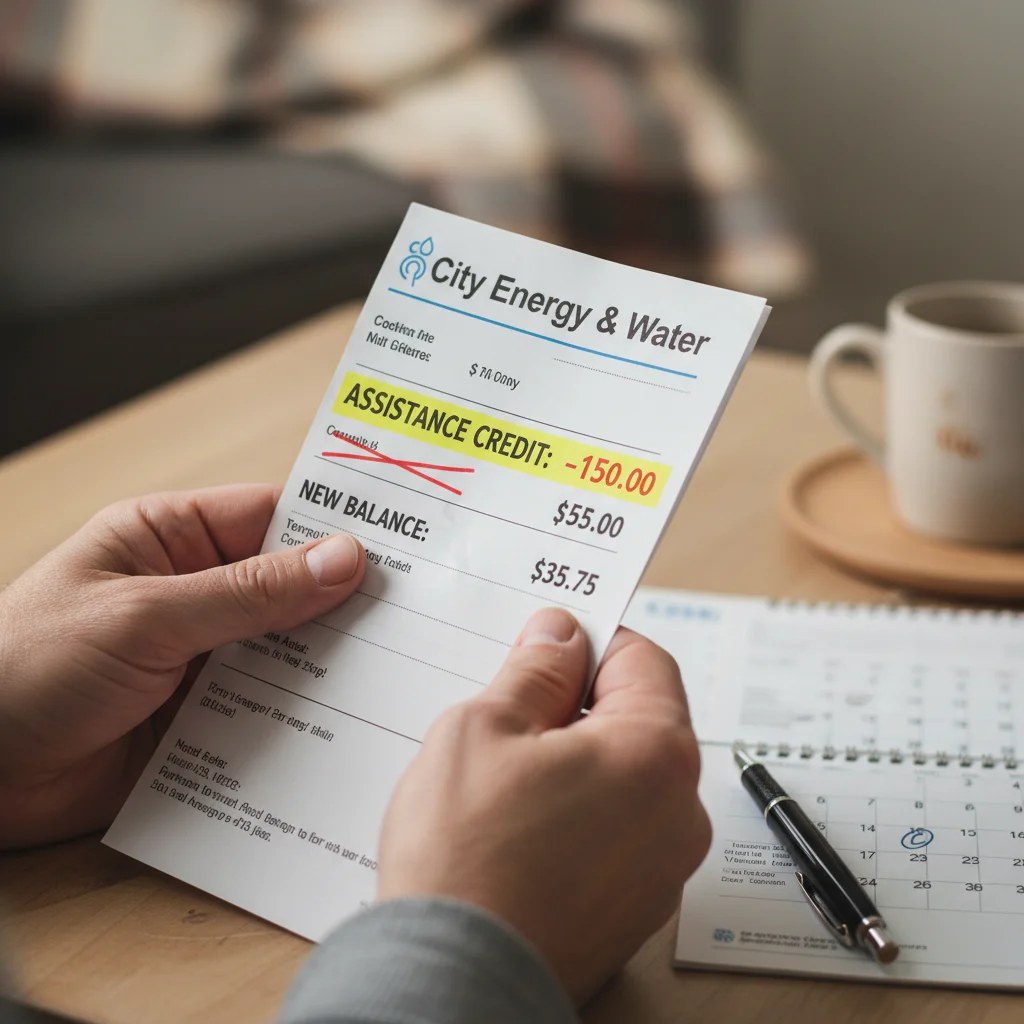
While specific criteria vary by program and location, several common factors determine eligibility for utility bill relief:
- Income Thresholds: This is the most critical factor. Most programs require your household income to be at or below a certain percentage of the Federal Poverty Level (FPL) or the State Median Income (SMI). For LIHEAP, this is typically 150% of the FPL or 60% of the SMI, whichever is greater, but states can set it higher, up to 200% of FPL.
- Household Size: Income thresholds are adjusted based on the number of people living in your household. Larger households generally have higher income limits.
- Vulnerable Populations: Programs often prioritize households with vulnerable members, such as the elderly (typically 60+), young children (under 5 or 6), or individuals with disabilities or chronic medical conditions that require consistent heating or cooling.
- Residency Status: You must typically be a legal resident of the state or service area where you are applying.
- Energy Burden: Some programs consider your energy burden, which is the percentage of your household income spent on energy costs. A high energy burden can make you more eligible for assistance.
- Crisis Situations: For emergency assistance, proof of an energy crisis (e.g., shut-off notice, low fuel tank) is required.
It’s important to gather all necessary documentation before applying. This typically includes:
- Proof of income for all household members (pay stubs, Social Security statements, unemployment benefits, pension statements, etc.)
- Current utility bills (heating, electric, gas)
- Proof of residency (lease agreement, mortgage statement, driver’s license)
- Social Security numbers for all household members
- Identification for the applicant
Having these documents ready will significantly streamline your application process and increase your chances of receiving timely utility bill relief.
The Application Process: Step-by-Step Guide
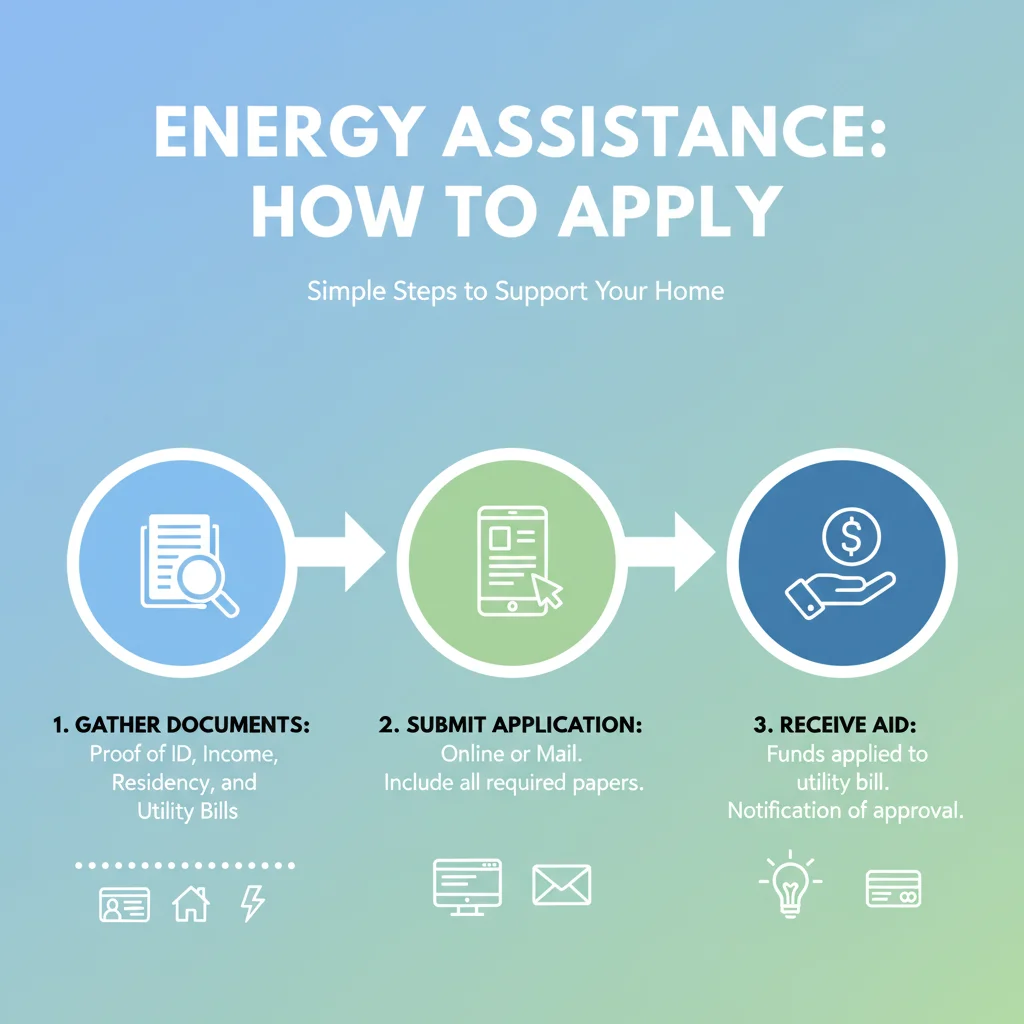
Applying for energy assistance can seem daunting, but breaking it down into manageable steps makes it much easier. While the exact process varies by program and location, here’s a general guide:
- Identify Potential Programs: Start by researching what’s available in your area. Begin with your state’s LIHEAP administrator (often found via the ACF LIHEAP website) and then look into state, local, and utility-specific programs.
- Check Eligibility: Review the income and other eligibility criteria for each program you identify. Don’t self-disqualify; if you’re close to the limits or have special circumstances, it’s often worth applying.
- Gather Required Documents: As mentioned above, collect all necessary proof of income, household size, residency, and utility bills. Make copies of everything for your records.
- Obtain Application Forms: Most programs have application forms available online for download, or you can request them by mail or in person from the administering agency.
- Complete the Application Carefully: Fill out all sections accurately and completely. Missing information is a common reason for delays or denials. If you have questions, don’t hesitate to contact the program administrator for clarification.
- Submit Your Application: Applications can usually be submitted online, by mail, or in person. Pay attention to any application deadlines. For crisis assistance, in-person submission might be required for faster processing.
- Follow Up: After submitting, it’s a good idea to follow up within a week or two to confirm receipt and inquire about the processing timeline. Keep a record of who you spoke with and when.
- Understand the Decision: If approved, you will receive information on the amount of assistance and how it will be applied (usually directly to your utility account). If denied, the letter should explain why, and you typically have the right to appeal the decision.
Remember, patience is key, but persistence pays off. Many agencies are overwhelmed with applications, especially during peak seasons, so applying early is often beneficial for securing utility bill relief.
Maximizing Your Energy Assistance and Savings
Receiving utility bill relief through assistance programs is a great start, but there’s more you can do to manage your energy costs effectively:
- Apply for Multiple Programs: Don’t limit yourself to just one. If you qualify for LIHEAP, you might also be eligible for state, local, or utility-specific programs. Stacking benefits can significantly increase your overall utility bill relief.
- Explore Weatherization: If your home is old or poorly insulated, weatherization services (often funded by LIHEAP or separate state programs) can dramatically reduce your energy consumption long-term. This includes sealing air leaks, adding insulation, repairing windows, and updating heating/cooling systems.
- Practice Energy Conservation: Simple habits can lead to significant savings. Turn off lights when leaving a room, unplug electronics when not in use, adjust your thermostat (up in summer, down in winter) when you’re away or sleeping, and use energy-efficient appliances.
- Enroll in Budget Billing: Many utilities offer budget billing plans, which average your annual energy costs into consistent monthly payments. This doesn’t reduce your overall bill, but it smooths out seasonal spikes, making budgeting easier.
- Monitor Your Usage: Many utility companies offer online portals or smart meter apps that allow you to track your daily or hourly energy consumption. Understanding when and how you use energy can help you identify areas for savings.
- Advocate for Yourself: If you’re facing a shut-off, don’t wait. Immediately contact your utility company and the relevant assistance agencies. Explain your situation and ask about all available options, including payment plans and emergency assistance.
By combining financial assistance with smart energy habits and home improvements, you can achieve substantial and sustainable utility bill relief.
Common Pitfalls and How to Avoid Them
While energy assistance programs are designed to help, applicants can sometimes encounter hurdles. Being aware of these common pitfalls can help you navigate the process more smoothly:
- Incomplete Applications: The most frequent reason for delays or denials is missing information or documents. Double-check that every required field is filled out and all necessary proofs are attached.
- Missing Deadlines: Some programs have strict application periods or first-come, first-served funding. Mark your calendar for application windows and apply as early as possible.
- Not Understanding Eligibility: While it’s good to apply if you’re close, ensure you generally meet the main criteria. Misunderstanding income calculations or household definitions can lead to wasted effort.
- Lack of Follow-Up: Don’t assume your application is being processed smoothly. A polite follow-up call can sometimes expedite the process or alert you to issues that need addressing.
- Ignoring Crisis Situations: If you receive a shut-off notice, act immediately. Don’t wait until the last minute. Emergency assistance has different, faster-track procedures.
- Not Exploring All Options: Many people only think of LIHEAP. Failing to check state, local, and utility-specific programs means leaving potential utility bill relief on the table.
- Providing Inaccurate Information: Always be truthful and accurate in your application. Providing false information can lead to severe penalties and disqualification from future assistance.
By being diligent and informed, you can significantly improve your experience and success rate in obtaining utility bill relief.
Looking Ahead: The Future of Energy Assistance
As 2026 progresses, the need for robust energy assistance programs remains critical. Policymakers and energy advocates continue to push for increased funding and more streamlined access to these vital resources. There’s a growing recognition of the link between energy affordability, public health, and economic stability. Initiatives are often underway to improve outreach, simplify application processes, and integrate various forms of assistance (energy, housing, food) to provide more holistic support to vulnerable households.
The emphasis is also shifting towards long-term solutions, such as expanding weatherization efforts and promoting renewable energy adoption among low-income communities. These measures not only provide immediate utility bill relief but also empower households to become more energy independent and resilient against future price fluctuations. Staying informed about these developments, perhaps by signing up for newsletters from your local energy assistance agencies or community organizations, can ensure you are always aware of new opportunities for support.
Conclusion: Secure Your Utility Bill Relief in 2026
Navigating energy costs can be one of the most significant financial challenges for households. However, you don’t have to face it alone. The multitude of energy assistance programs available in 2026, from federal initiatives like LIHEAP to state, local, and utility-specific aid, are designed to provide substantial utility bill relief. By understanding the eligibility criteria, meticulously preparing your application, and proactively seeking out all available resources, you can significantly reduce your energy burden, potentially saving up to $1,000 or more annually.
Remember that these programs are dynamic, with eligibility and funding potentially changing. Therefore, continuous engagement with your local assistance providers and utility companies is crucial. Don’t hesitate to ask questions, seek clarification, and reapply if your circumstances change or new programs emerge. Your comfort, safety, and financial well-being are paramount. Take the proactive steps outlined in this guide today to secure the utility bill relief you need and deserve, ensuring a more stable and affordable energy future for your home.