Food security benefits for vulnerable groups revealed

Anúncios
Food security benefits for vulnerable groups include improved health, increased economic stability, and enhanced community resilience, achieved through effective policies, local agriculture support, and educational initiatives.
Food security benefits for vulnerable groups are essential for improving their quality of life. Have you ever wondered how access to nutritious food can change lives? Let’s dive into this important topic!
Anúncios
Understanding food security
Understanding food security is vital for creating healthier communities. Food security means that everyone has access to enough safe and nutritious food to lead a healthy life. When food is available, accessible, and adequate in quality and quantity, people can thrive.
Food security is not just about getting enough food. It involves having access to food that meets dietary needs and preferences. Let’s explore the different aspects of food security.
Anúncios
Key Components of Food Security
Food security has several important components. Each of these plays a critical role in ensuring that individuals and families can secure the food they need. The main components include:
- Availability: The supply of food must be sufficient to meet the needs of the population.
- Access: All individuals must have physical and economic access to food.
- Utilization: Proper nutritional practices are necessary to utilize food effectively.
- Stability: Food security must remain constant over time, without fluctuations caused by disasters or economic instability.
Access to food often varies, especially in vulnerable groups. These groups might struggle due to economic hardships, geographical barriers, or health issues. Understanding their challenges is essential in addressing food security.
Many programs aim to improve food security for these groups. For instance, community gardens and food banks help provide fresh food where it’s needed most. These initiatives empower communities to take control of their food supply and enhance availability.
Challenges to Food Security
Several factors can threaten food security, including climate change and economic instability. For example, droughts can lead to crop failures, reducing availability. Economic downturns can make food unaffordable for many, limiting access.
Moreover, social inequalities can exacerbate food insecurity. People in low-income households often face greater challenges than others. Thus, addressing these issues demands collective efforts from governments, organizations, and communities.
The impact of food insecurity on vulnerable groups
The impact of food insecurity on vulnerable groups is profound and far-reaching. When access to adequate food is compromised, it can create a cycle of poverty and health issues. Vulnerable groups often include low-income families, the elderly, and individuals with disabilities.
Food insecurity can lead to various health problems such as malnutrition and obesity. Surprisingly, even those who have food may not have enough of the right kind. This discrepancy can worsen chronic conditions like diabetes and heart disease. Understanding these effects is crucial for improving community health.
Emotional and Psychological Effects
Beyond physical health, food insecurity can weigh heavily on the mind. Individuals facing uncertainty about their next meal often experience stress and anxiety. Children who grow up in food-insecure households may struggle with emotional and developmental issues. For many, the struggle for food becomes an all-consuming worry.
Social Consequences
Food insecurity also impacts social interactions and community cohesion. People may withdraw from social activities due to a lack of resources. This isolation can further exacerbate feelings of helplessness and depression. When individuals cannot participate in community meals or gatherings, a sense of belonging is lost.
The ripple effects of food insecurity extend to education as well. Children from food-insecure households often face challenges, like trouble concentrating in school, lower academic performance, and higher dropout rates. Ensuring access to nutritious food is not just about filling plates; it’s about fostering education and future opportunities.
Addressing food insecurity requires collaboration among governments, organizations, and communities. By identifying and targeting vulnerable groups, more tailored solutions can arise. Programs like school meal initiatives and food assistance can be game-changers for those in need.
Strategies to enhance food security
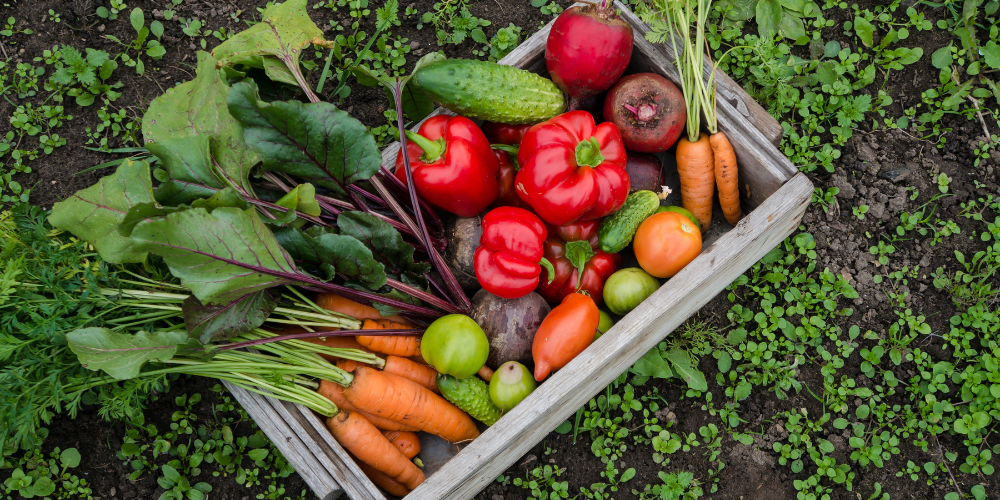
Strategies to enhance food security are critical for helping vulnerable populations access the food they need. These strategies aim to build sustainable systems that ensure everyone can obtain nutritious food consistently.
One effective approach is to improve local food production. By supporting community gardens and urban farms, we can empower communities to grow their own food. This strategy not only increases the availability of fresh produce but also fosters community connections and engagement.
Educational Initiatives
Education plays a vital role in enhancing food security. Programs that teach people about nutrition can help them make better food choices. Workshops on cooking skills can empower families to prepare healthy meals at home using affordable ingredients.
- Nutritional education: Understanding dietary needs helps families choose better foods.
- Cooking classes: Learning to cook can reduce reliance on processed foods.
- Gardening workshops: Teaching skills for growing food helps build self-sufficiency.
Another important strategy is to create food assistance programs. Food banks and meal programs can provide immediate support to those struggling with access. These services help prevent hunger while longer-term solutions are developed.
Policy and Advocacy
Advocating for policies that support food security is essential. This can include promoting fair wages, better working conditions, and improved access to social services. Policies that ensure people can earn a living wage contribute to their ability to purchase food.
Furthermore, engaging with local governments to enhance food distribution networks can make a significant difference. Efficient transportation systems ensure that food reaches those who need it most. When communities work together to address barriers, they can create a stronger safety net.
Case studies: Successful initiatives around the globe
Case studies of successful initiatives around the globe demonstrate how communities tackle food insecurity. These examples offer valuable insights into effective strategies that can be applied elsewhere. By studying these initiatives, we can learn what works best in different contexts.
One notable example is the Community Supported Agriculture (CSA)</strong) model. In this system, local farms partner with consumers to provide fresh produce directly. Members buy shares in the farm’s harvest, ensuring a steady income for farmers. In return, they receive fresh, seasonal crops throughout the growing season. This approach not only improves food access but also strengthens the local economy.
Project EAT (Educate, Advocate, Transform)
Another successful initiative is Project EAT, which operates in various urban areas. This program focuses on educating youth about nutrition and healthy cooking. By engaging children in hands-on activities like cooking classes and gardening, they are more likely to make healthier food choices. This initiative shows promising results in improving dietary habits among participants.
- Community engagement: Involving community members fosters ownership and investment in the program.
- Variety of activities: Offering cooking, gardening, and nutrition workshops appeals to diverse interests.
- Long-term impact: Educated youth are more likely to pass on healthy habits to their families.
In Ghana, the School Feeding Program has made a significant impact on food security and education. By providing free meals to students, this program ensures that children receive both nutrition and an incentive to attend school. The positive results show increased attendance and improved learning outcomes.
The Role of Technology
Innovative use of technology has also played a critical role in enhancing food security. Platforms that connect food donors with local shelters exemplify this advancement. By reducing food waste and redirecting surplus food, these initiatives serve those in need while promoting sustainability.
These successful initiatives highlight essential lessons for improving food security. Local dynamics, community involvement, and innovative solutions are key factors that contribute to their effectiveness.
The role of policy in supporting food security
The role of policy in supporting food security is crucial for creating sustainable systems that provide access to adequate food for all. Effective policies can address the root causes of food insecurity by ensuring resources are allocated where they are needed most.
Governments play a significant part in establishing frameworks that foster food security. They can implement programs that stabilize food prices, promote local production, and ensure that all communities have access to nutritious options. Policies focused on agricultural support can enhance local farmers’ ability to produce food, which in turn contributes to the overall availability of food.
Subsidies and Incentives
One approach is through subsidies aimed at encouraging the growth of staple crops. By providing financial support, governments can help farmers increase their production, which stabilizes food prices and improves food availability.
- Agricultural subsidies: Financial support to help farmers grow more food.
- Incentives for local sourcing: Policies that encourage sourcing food locally strengthen local economies.
- Support for sustainable practices: Promoting environmentally friendly farming can enhance food security.
Beyond production, policies must also address access to food. Social safety nets and food assistance programs help vulnerable populations gain access to necessary nutrition. These policies are particularly important during economic downturns or natural disasters that can disrupt food availability.
Advocacy and Collaboration
The role of advocacy is also vital in shaping food security policies. Communities and organizations can push for changes that support local interests and needs. Collaborations between government bodies, NGOs, and private sectors can result in comprehensive strategies that address food insecurity holistically.
Effective policies should include monitoring and evaluation processes to continually assess their impact. By keeping track of progress, governments can make necessary adjustments and ensure the policies remain effective in addressing the changing landscape of food security.
Conclusion: Food security is essential for healthy communities and requires a multifaceted approach. Through effective policies, community initiatives, and collaborative efforts, we can ensure that vulnerable groups have access to nutritious food. Examples from around the world demonstrate that innovative solutions can make a real difference. By continuing to advocate for better food security measures, we can help create lasting changes that benefit everyone.
FAQ – Frequently Asked Questions about Food Security
What is food security?
Food security means that all people have reliable access to enough affordable, nutritious food to lead a healthy life.
How do policies impact food security?
Policies can create frameworks that support local food production, stabilize prices, and improve access to nutritious food for vulnerable populations.
What are some effective strategies to enhance food security?
Key strategies include promoting local agriculture, implementing food assistance programs, and providing education on nutrition and cooking.
Why is community involvement important in food security initiatives?
Community involvement ensures that food security programs are tailored to local needs and encourages greater participation and sustainability.