Personalized learning methods in schools: a new approach

Anúncios
Personalized learning methods in schools tailor education to individual student needs, enhancing engagement, boosting academic achievement, and fostering a collaborative learning environment.
Personalized learning methods in schools can transform the educational experience, tailoring teaching approaches to meet individual student needs. Have you ever wondered how this could reshape the way kids learn and thrive in the classroom? Let’s dive into this innovative approach.
Anúncios
Understanding personalized learning methods
Understanding personalized learning methods is essential for creating effective educational environments. These methods focus on tailoring learning experiences to fit the strengths and needs of individual students. Rather than employing a one-size-fits-all approach, personalized learning allows for adjustments based on a student’s pace, interests, and learning style.
Anúncios
The Key Components of Personalized Learning
There are several critical elements that define personalized learning:
- Individual Learning Paths: Each student engages with the material in a way that best suits their learning style.
- Student Agency: Learners have a say in what and how they learn, promoting ownership of their education.
- Flexible Learning Environment: Classrooms are designed to adapt to varying learning needs and preferences.
By incorporating these components, teachers can facilitate a more inclusive and effective learning experience. Another vital aspect is the use of data analytics. Educators can track student progress and identify areas that may require additional focus.
Implementing Personalized Learning in the Classroom
To effectively implement personalized learning methods, educators must consider several strategies:
- Assessment of Student Needs: Regular assessments help identify unique student needs and preferences.
- Collaborative Learning: Encouraging collaboration among students fosters a community of learners that supports each other.
- Technology Integration: Utilizing educational technology can facilitate personalized experiences and provide real-time feedback.
Creating a supportive atmosphere is also crucial. When students feel safe to express their thoughts and ideas, they are more likely to take risks in their learning. Personalization is not just about content; it’s also about the relationship between students and teachers.
Benefits of personalized learning in classrooms
The benefits of personalized learning in classrooms are significant. This approach tailors education to each student’s unique needs, enhancing both engagement and comprehension. By focusing on individual learning styles, teachers can help students succeed.
Improved Student Engagement
Personalized learning fosters a sense of ownership among students. When they have a say in their learning, they become more invested in their education. This leads to higher levels of motivation and enthusiasm in the classroom.
- Choice: Allowing students to select topics they are interested in can spark curiosity.
- Relevance: Connecting lessons to real-world applications makes learning meaningful.
- Active Learning: Encouraging hands-on activities keeps students engaged and focused.
Another benefit is the enhancement of critical thinking skills. Personalized learning encourages students to ask questions and explore topics deeply, promoting a culture of inquiry. Techniques such as project-based learning can further deepen understanding.
Boosting Academic Performance
Personalized approaches often result in better academic outcomes. As students receive targeted assistance, they can address gaps in their knowledge. This method allows for pacing adjustments, enabling students to progress at their own speed.
- Tailored Instruction: Teachers can provide specific resources that cater to individual learning speeds.
- Regular Feedback: Continuous assessments help identify strengths and weaknesses promptly.
- Supportive Environment: A focus on personal growth leads to a positive learning atmosphere.
Furthermore, personalized learning nurtures a student’s adaptability. In an ever-changing world, the ability to learn independently and adjust to new challenges is invaluable. This prepares students for future educational pursuits and careers.
Strategies for implementing personalized learning
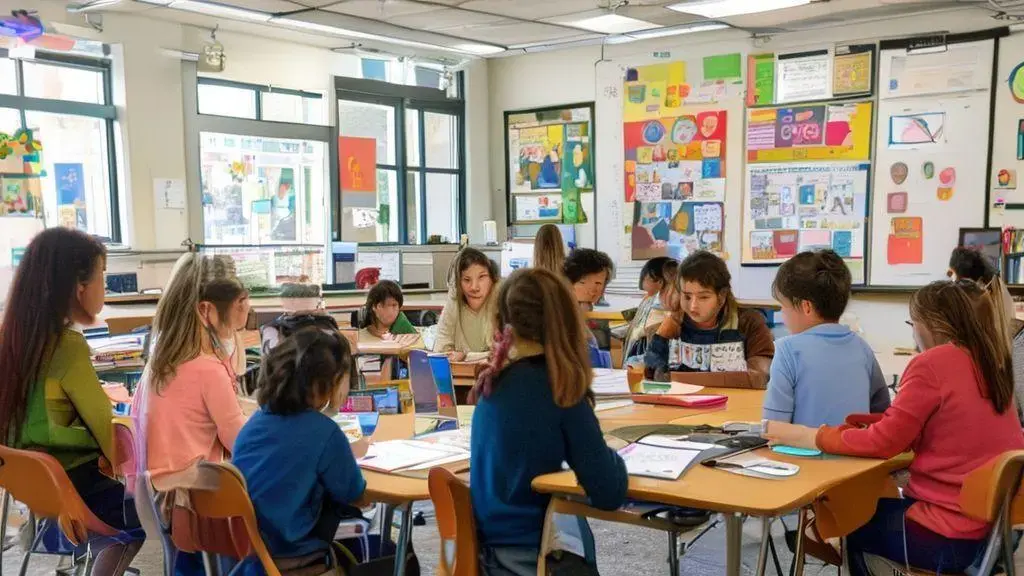
Implementing personalized learning in the classroom requires careful planning and effective strategies. These strategies ensure that learning experiences meet the unique needs of each student. Educators can create a dynamic learning environment by adopting specific methods.
Assessing Student Needs
A crucial first step is assessing each student’s strengths and weaknesses. Utilizing various assessment tools can help educators understand individual learning profiles. This tailored approach allows teachers to design personalized learning paths that maximize student engagement.
- Initial Assessment: Start with a baseline assessment to gauge students’ starting points.
- Continuous Feedback: Use formative assessments regularly to track progress.
- Student Reflection: Encourage students to reflect on their learning to identify their own areas for improvement.
As insights are gathered, teachers can adapt their instruction to better align with students’ needs. This may include modifying lesson plans or integrating different teaching methods.
Incorporating Technology
Technology plays a vital role in facilitating personalized learning. By using educational technology, teachers can provide tailored resources and interactive experiences. For instance, online platforms offer various learning materials that cater to different learning styles and paces.
- Learning Management Systems: Implementing platforms that allow for customized content delivery.
- Interactive Tools: Using games and simulations that promote active learning.
- Data Analytics: Leveraging data to provide insights on student performance.
This integration not only enhances learning but also helps teachers monitor and adjust instruction in real-time. Furthermore, it allows students to learn at their own pace, fostering self-directed learning.
Encouraging Collaboration
Collaboration among students is key to personalized learning. Group work and peer-to-peer activities promote interaction and deepen understanding. Such an environment encourages students to share ideas and learn from each other.
- Group Projects: Create opportunities for students to work together on common goals.
- Peer Mentoring: Pairing students with different skill levels can enhance learning for both parties.
- Discussion Groups: Facilitate discussions where students can express their thoughts and perspectives.
This collaborative approach not only boosts engagement but also builds a classroom community where students feel supported.
Challenges in adopting personalized learning
Adopting personalized learning comes with several challenges that educators must navigate. These obstacles can impact the smooth implementation of personalized strategies in the classroom. Understanding these challenges is essential for effective planning and execution.
Resistance to Change
One of the primary challenges is the resistance from both teachers and students. Traditional teaching methods are deeply ingrained, and shifting to a personalized approach can be daunting. Educators might feel uncertain about new methods or worry about their effectiveness.
- Comfort with Traditional Methods: Many teachers are accustomed to lecturing and may find it hard to adjust.
- Student Adaptability: Some students may struggle to take more control of their learning.
- Lack of Training: Insufficient professional development can exacerbate these concerns.
Addressing this resistance requires ongoing support and training. Professional development programs that focus on the benefits and strategies of personalized learning can help ease the transition.
Resource Limitations
Another significant hurdle is the lack of resources. Implementing personalized learning often requires technology, materials, and time. Schools may face budget constraints that limit their ability to provide necessary tools.
- Access to Technology: Not all students may have equal access to devices or the internet.
- Materials and Resources: Developing personalized materials can be labor-intensive for educators.
- Time Constraints: Curricular demands can limit the time teachers can dedicate to personalized methods.
Schools must seek creative solutions such as partnerships with technology companies or community organizations to overcome these resource limitations.
Assessment Challenges
Assessing student progress in a personalized learning environment poses its own challenges. Traditional assessment methods may not accurately reflect student understanding and growth. Educators need to develop new ways to evaluate students effectively.
- Diverse Learning Paths: Each student may progress differently, making standardized tests less effective.
- Real-Time Feedback: Teachers may struggle to provide timely feedback for various learning activities.
- Data Management: Keeping track of different learning plans and assessments can be overwhelming.
Educators can address these challenges by integrating formative assessments and utilizing technology that provides real-time data insights. This helps in adapting instruction to meet each student’s needs.
Success stories from schools using personalized learning
Many schools around the world have effectively implemented personalized learning and achieved remarkable success. These success stories highlight the positive impact that tailored educational approaches can have on students, teachers, and the overall learning environment.
Case Study: School A
At School A, educators adopted personalized learning strategies to meet the diverse needs of their students. By utilizing technology, they created individualized learning paths that enabled students to progress at their own pace. The results were impressive, with a significant increase in student engagement and enthusiasm for learning.
- Improved Test Scores: Students who were previously struggling saw their test scores rise by over 20%.
- Higher Attendance Rates: Engagement led to a notable drop in absenteeism, with attendance rates reaching 95%.
- Positive Student Feedback: Students reported feeling more connected to their learning and more motivated to participate.
This success can be attributed to a combination of tailored instruction, ongoing support from teachers, and the integration of educational technology.
Case Study: School B
Another inspiring example is School B, which focused on creating a culture of collaboration. Teachers encouraged students to work together on projects that interested them. This collaborative approach sparked creativity and innovation, resulting in outstanding achievements.
- Enhanced Critical Thinking Skills: Students demonstrated improved abilities to analyze and synthesize information.
- Teamwork and Communication: Group projects helped students develop essential skills in collaboration and communication.
- Community Engagement: The school actively involved parents and the community, fostering a supportive atmosphere for learning.
The collaborative environment also helped to strengthen peer relationships, creating a sense of belonging among students.
Case Study: School C
At School C, educators utilized data analytics to inform their personalized learning strategies. By analyzing student performance data, teachers customized lessons to address specific learning needs. This data-driven approach led to remarkable outcomes.
- Tailored Interventions: Students received targeted support based on their unique challenges, resulting in faster progress.
- Increased Student Autonomy: Students took greater responsibility for their learning, leading to improved self-management skills.
- Empowered Teachers: Data insights allowed teachers to make informed decisions about instructional strategies.
The use of data not only enhanced student learning but also empowered teachers to make impactful educational choices.
FAQ – Frequently Asked Questions about Personalized Learning in Schools
What are the main benefits of personalized learning?
Personalized learning increases student engagement, improves academic performance, and addresses individual learning needs.
How can schools overcome resistance to change when implementing personalized learning?
Schools can provide training and support for teachers, involve parents, and demonstrate the effectiveness of personalized learning through data.
What are some challenges in adopting personalized learning?
Challenges include resource limitations, lack of training, and adapting assessments to measure student progress effectively.
Can you share successful examples of personalized learning in action?
Yes, schools that have implemented personalized learning have reported higher engagement, improved test scores, and enhanced collaboration among students.